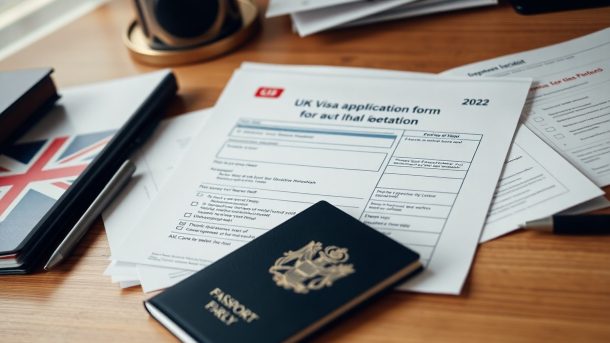
It’s crucial to understand the common reasons behind UK visa rejections if you want to ensure your application is successful. Many applicants overlook specific requirements or make minor errors that can lead to delays or denials. In this post, you will discover the key pitfalls to avoid and gain insights on how to strengthen your application, increasing your chances of approval. By being informed about these challenges, you can navigate the visa process more effectively and secure your opportunity to enter the UK.
Key Takeaways:
- Incomplete Documentation: Ensure all required documents are submitted, including financial statements and proof of accommodation.
- Insufficient Funds: Demonstrate that you have adequate financial resources to support yourself during your stay without recourse to public funds.
- Non-compliance with Immigration Rules: Familiarize yourself with the specific visa requirements and ensure you meet all criteria before applying.

Understanding the UK Visa Application Process
Your journey toward securing a UK visa begins with a comprehensive understanding of the application process. Navigating this process requires attention to detail and adherence to guidelines set forth by the UK government. By familiarizing yourself with the various types of visas and the specific requirements for each, you position yourself for a smoother application experience and increase the likelihood of a successful outcome.
Types of UK Visas
Your first step in the application process is to determine which visa category aligns with your purpose for traveling to the UK. The most common types of UK visas include:
- Student Visa
- Work Visa
- Visitor Visa
- Family Visa
- Settlement Visa
The appropriate visa will depend on your individual circumstances and intentions while in the UK.
| Visa Type | Primary purpose |
| Student Visa | Study at a recognized institution |
| Work Visa | Employment in the UK |
| Visitor Visa | Short-term visits for tourism or business |
| Family Visa | Joining family members living in the UK |
Application Steps
Types of UK visa applications involve several key steps that you must follow to ensure a successful application. Start by gathering the required documents, filling out the online application, and paying the necessary fees. You will also need to book a biometric appointment and submit your supporting documents at the designated location.
Understanding the application steps can simplify the process significantly. By organizing your documents ahead of time and adequately preparing for each phase—such as the biometric appointment—you can minimize potential delays and improve your overall experience. Ensure that all information is accurate and corresponds with the requirements specified for your chosen visa category to boost your chances of approval.

Common Reasons for Visa Rejections
Some visa applications encounter rejections due to a range of common pitfalls that can be easily avoided. Understanding these reasons can significantly increase your chances of a successful application. Addressing documentation issues, financial requirements, and intent to return is vital to ensure your application is processed smoothly.
Incomplete or Incorrect Documentation
Visa applications often falter due to incomplete or incorrect documentation. It’s important that you double-check all forms and accompanying documents to ensure they meet the UKVI requirements. Properly filling out forms and providing accurate information can prevent unnecessary delays or denials.
Failure to Meet Financial Requirements
With financial stability being a key factor in visa applications, failing to meet the specified financial requirements can lead to rejection. You must provide satisfactory evidence of your financial standing to demonstrate that you can support yourself during your stay in the UK.
Common reasons for failing financial requirements include not showing sufficient funds in your bank account or failing to provide necessary bank statements. You should ensure your finances are transparent and clearly demonstrate that you can cover living expenses without relying on public funds.
Insufficient Evidence of Intent to Return
Behind every successful visa application lies a strong demonstration of your intent to return to your home country. If you cannot convincingly show that you will leave the UK at the end of your visit, your application may face rejection. Establishing ties to your home country is vital.
Understanding your obligation to prove intent to return involves presenting evidence such as job commitments, family connections, or property ownership. This information reassures the visa officers that you have strong reasons to return home, which can enhance your application’s chances of approval.
Issues with Credibility and Conduct
All visa applications are subject to scrutiny regarding your credibility and conduct. If any inconsistencies arise in your application or past behavior raises red flags, it can significantly impede your chances of obtaining a visa. Understanding these issues is vital to presenting a strong application and avoiding potential rejection.
Past Immigration Violations
Credibility plays a significant role in the visa evaluation process. If you have a history of immigration violations, such as overstaying a visa or entering the UK unlawfully, this can severely impact your application. Border authorities tend to view past violations as indicative of your willingness to comply with immigration rules, potentially leading to a refusal.
Misrepresentation of Information
With the increasing use of technology in processing visa applications, any inaccuracies or omissions in your application can lead to rejection. Authorities have tools and processes to verify the information you provide, and any discrepancies could raise your credibility concerns. These can result in not just denial of your visa but future restrictions on your ability to apply again.
For instance, providing incorrect financial details, misleading employment information, or failing to disclose previous visa denials can be viewed as attempts at deception. Such misrepresentations can have long-lasting effects, affecting not only your current application but also your reputation for future visa requests. It is necessary to ensure that all information is honest and accurately reflects your circumstances to maintain your credibility.
Specific Case Studies
Once again, it’s important to assess real-life scenarios that shed light on common visa rejection reasons. Here are several case studies highlighting significant data:
- 30% of applications for Tier 4 Student Visas were denied due to insufficient financial evidence.
- 25% of Work Visa applications failed because of inadequate proof of job offer.
- 18% of family visas were rejected due to failure to meet the relationship requirements.
- 15% of Short-term Visitor Visa applications were declined over unclear travel intentions.
- 12% of Entrepreneur Visas faced rejection due to lack of a viable business plan.
Student Visa Rejections
Among the most common reasons for student visa rejections is failing to demonstrate adequate financial resources. UK immigration authorities require you to prove that you can cover tuition fees and living expenses throughout your stay. In addition, discrepancies in your application, such as inconsistent or false information, can easily lead to denial.
Work Visa Rejections
By far, insufficient documentation of a job offer is the leading cause of work visa rejections. This includes not providing enough evidence that you meet the skill requirements or salary thresholds set for the visa category. Additionally, employers must be properly registered with the Home Office, and if they are not, your application will likely be rejected.
Student visa rejections can frequently be attributed to insufficient proof of English language proficiency. The UK government expects you to demonstrate your ability to communicate effectively in English, which can lead to a higher chance of approval. Additionally, maintaining clarity and consistency throughout your application, particularly regarding your study intentions and remaining compliant with visa conditions, is vital to avoid pitfalls in the application process.
Tips for a Successful Application
For a successful visa application, it’s necessary to follow specific guidelines to enhance your chances of approval. Take note of these tips:
- Understand the visa requirements thoroughly.
- Ensure all documentation is accurate and complete.
- Address any previous refusals with clarity.
- Submit your application well ahead of the deadline.
The more prepared you are, the better your chances for success. You can learn more about how to avoid 8 common UK visa rejection reasons.
Thorough Preparation of Documents
Against the odds of visa rejections, thorough preparation of your documents can set you apart. Ensure that every form is filled accurately, and every supporting document is included and up-to-date. This attention to detail will help you present a strong case for your application.
Seeking Professional Guidance
Tips from professionals can make a significant difference in your application process. Their expertise can help you navigate the complexities of visa application requirements and identify any potential problems before submission.
In fact, consulting with immigration experts often leads to a more streamlined process, as they are familiar with the latest changes in immigration laws. By seeking professional assistance, you can ensure that your application meets all necessary criteria and stands the best chance of approval.
Frequently Asked Questions
Now that you understand common reasons for visa rejections, you may have additional queries. It’s important to clarify any uncertainties you have about the visa application process. For instance, if you’re wondering what specific documents are necessary or how to best present your case, you’re not alone. Many applicants seek advice to improve their chances of success. You can find valuable insights in the article UK Visitor Visa Refusal: the Why and How to Fix It | IAS. This resource will help you navigate potential pitfalls effectively.
To wrap up
With these considerations in mind, you can significantly enhance your chances of a successful UK visa application. Understanding the common reasons for rejections, such as inadequate documentation or failure to meet financial requirements, allows you to take proactive steps to address them. For a more detailed exploration, refer to The 10 Most Common UK Visa Rejection Reasons in 2024. By being well-prepared and informed, you can navigate the visa process with greater confidence.
FAQ
Q: What are the most common reasons for UK visa rejections?
A: The most frequent reasons for UK visa rejections include insufficient financial evidence, failure to provide the required documentation, inconsistency in information provided, failure to meet specific eligibility criteria, and issues related to immigration history. Each of these areas is closely scrutinized during the visa assessment process.
Q: How can I ensure that my financial evidence meets UK visa requirements?
A: To meet UK visa financial requirements, it is important to provide clear, comprehensive evidence of your funds. This includes bank statements showing sufficient funds for at least 28 consecutive days prior to your application, proof of income, and any sponsorship letters if applicable. Ensure that all documents are current, legitimate, and clearly demonstrate your ability to support yourself during your stay.
Q: What documents are crucial to submit with a UK visa application?
A: Essential documents typically include a valid passport, proof of financial means, accommodation details, a completed visa application form, photographs adhering to UK specifications, and any additional documents relevant to your visa category (such as employment letters, academic certificates, etc.). It’s important to review the specific requirements for the type of visa you are applying for.
Q: How can inconsistencies in my visa application affect the outcome?
A: Inconsistencies, such as differing information in your application and supporting documents or discrepancies in personal details, can raise red flags for visa officials. To avoid this, ensure that all submitted information is consistent and accurate. Double-check your forms and all documents before submission to align your details across the board.
Q: What should I consider regarding my immigration history when applying for a UK visa?
A: Your immigration history can significantly impact your application. Make sure to disclose all previous visa applications, rejections, and any overstays accurately. Providing a complete history helps build trust and transparency. If there have been prior rejections, include explanations for any issues and steps taken to address them, demonstrating your commitment to complying with UK immigration rules.


Recent Comments