Visa

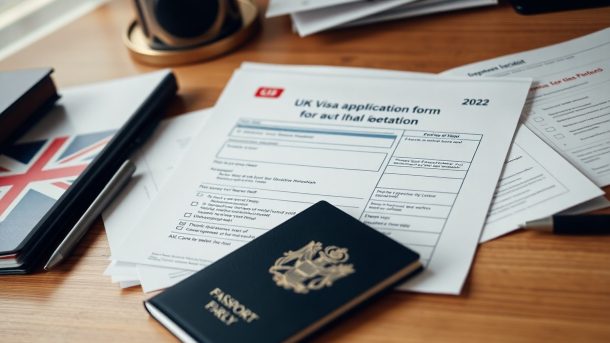
How to Apply for a UK Visa – A Step-by-Step Guide

Visa applications can be daunting, but with the right knowledge, you can navigate the process smoothly. This guide will provide you with a clear, step-by-step approach to applying for a UK visa, ensuring you have all the necessary information at your fingertips. From understanding the types of visas available to completing your application and preparing for your appointment, you’ll learn how to effectively manage each stage of the process. Follow along to make your journey to the UK as straightforward as possible.

Key Takeaways:

  • Determine your visa type: Identify the specific visa category that suits your purpose of travel, whether it’s for study, work, or family reunification.
  • Gather required documents: Compile all necessary documentation such as your passport, financial statements, and proof of accommodation to support your application.
  • Submit your application: Complete the online application form accurately and pay the visa fee, followed by scheduling an appointment at a visa processing center.

Understanding UK Visa Types

A comprehensive understanding of UK visa types is crucial for your application process. Each visa serves a specific purpose and has unique requirements. You need to identify which visa aligns with your needs. Here’s a breakdown of common UK visa types:

Visitor Visa Short-term stay for tourism, business or family visits.
Work Visa Permits you to work in the UK based on job offers or sponsorship.
Student Visa For international students pursuing education in the UK.
Family Visa Enables families to live with UK residents or citizens.
Settlement Visa For those wishing to settle permanently in the UK.

The Apply for a Standard Visitor visa page provides detailed information for the Visitor visa category.

Visitor Visa

Around 2.5 million visitors each year travel to the UK for tourism, business, or to visit friends and family. With the Visitor visa, you can stay for up to six months, allowing you to explore the culture, attend meetings, or spend time with loved ones. This visa is straightforward to apply for, but ensure you meet all required conditions.

Work Visa

Above all, securing a Work visa is vital if you aim to work in the UK long-term. This category includes various visas based on sponsorship or specialized skills, allowing you to engage in employment legally, expanding your professional horizons.

This visa type generally requires a job offer from a UK employer who holds a valid sponsorship license. You must also meet specific skill and salary thresholds depending on your occupation. Additionally, ensure you gather the necessary documentation to streamline your application process and abide by UK immigration rules.

Eligibility Requirements

Assuming you are looking to apply for a UK visa, it is crucial to understand the different eligibility requirements in place. These requirements vary based on your nationality, the type of visa you are applying for, and your individual circumstances to ensure that you qualify for entry into the UK.

General Eligibility Criteria

Beside the specific requirements for each visa category, there are general eligibility criteria that all applicants must meet. This typically includes being able to demonstrate your identity and intent for your visit, as well as showing that you can support yourself financially during your stay.

Specific Requirements for Different Visa Types

About the specific requirements, each visa type has tailored criteria you must fulfill to gain approval. For instance, a student visa requires proof of enrollment in a UK institution, while a work visa will often necessitate a job offer from a licensed employer.

Visa Type Specific Requirement
Tourist Visa Proof of accommodation and travel plans
Student Visa Confirmation of enrollment in a UK educational institution
Work Visa Job offer from a UK employer with a sponsorship certificate
Family Visa Proof of relationship with a UK resident
Investor Visa Proof of investment funds available
  • The eligibility requirements you need to focus on can greatly impact your visa application process.

It is necessary to note that visa applications may require additional documentation specific to your situation. This could include financial statements, medical records, or police clearance certificates, depending on the type of visa you are applying for.

Additional Documents Purpose
Bank Statements Demonstrate financial stability
Medical Certificates Prove health status if required
Police Clearance Ensure you have no serious criminal record
Employment Proof Show your work status if applicable
Accommodation Details Provide proof of where you will stay
  • The specific documentation requirements will vary, so be sure to align them with your visa type.

Gathering Required Documents

To apply for a UK visa successfully, it is imperative to gather all the necessary documents beforehand. This includes personal identification, financial proof, and any other supporting materials depending on the type of visa you are applying for. A well-organized document set will not only streamline your application process but also increase your chances of approval.

Personal Documentation

Personal documentation refers to the imperative identity papers that demonstrate who you are. This typically includes your passport, photographs that meet UK visa standards, and any previous visas or travel documents. Make sure all documents are current and accurately represent your personal information.

Financial Documentation

Documents that reflect your financial situation are necessary to ensure you can support yourself during your stay in the UK. This includes bank statements, payslips, and other financial assets that can attest to your ability to meet living expenses while residing in the country.

And these financial documents should ideally cover the last six months and clearly showcase your income and savings. Additionally, if someone else is sponsoring your trip, you will require a sponsorship letter along with their financial documents to strengthen your application. Ensure that all statements are official, with your name and relevant amounts clearly visible to avoid any confusion during the application review process.

Completing Your Visa Application

Many applicants find the process of completing a UK visa application straightforward. Begin by gathering all necessary documents and information required for your application. For detailed guidance, you can Apply for a UK visa in the USA. Make sure to double-check each section for accuracy before submission to avoid any delays.

Online Application Process

Your application will primarily be completed online through the official UK government website. This involves filling out the visa application form, uploading required documents, and ensuring that you provide accurate information throughout the process.

Application Fees and Payment Methods

Visa applications require you to pay specific fees that depend on the type of visa you are applying for. These fees can be paid online via a variety of methods, including credit and debit cards.

This payment process is necessary, as it not only confirms your application but also covers processing costs. Be aware that visa fees are non-refundable, regardless of the outcome of your application. Ensure you have a valid method of payment handy when completing your online application.

Scheduling and Attending Your Appointment

For a successful UK visa application, it’s necessary to schedule and attend your appointment at a Visa Application Center (VAC). After submitting your application online, you will receive instructions about booking your appointment. Choose a convenient location and time, ensuring you’re adequately prepared with all necessary documents. Arriving on time will help streamline the process, making it less stressful for you.

Visa Application Center Appointment

Your appointment at the Visa Application Center is where you will submit your biometric information and supporting documents. Ensure you bring your appointment confirmation, passport, and any other required documents. Adhering to the specific guidelines provided during your application process will help facilitate a smooth experience.

Interview Tips

Around the time of your appointment, you may be required to attend an interview. When preparing for your interview, consider these tips:

  • Research common interview questions related to your visa type.
  • Be honest and clear in your responses.
  • Dress professionally to make a good impression.

This preparation can significantly enhance your interview experience.

A successful interview can make a big difference in your visa application outcome. To improve your chance of success, consider these additional tips:

  • Practice your answers with a friend or family member to build confidence.
  • Stay calm and composed, even if you’re feeling nervous.
  • Understand the purpose of your visit to the UK and be able to articulate it well.

This will help you convey your genuine intentions clearly.

Tracking Your Application Status

Unlike other application processes, tracking your UK visa application is a straightforward and efficient experience. You can stay updated on your application’s progress to ensure you’re informed from submission to decision. By using the available tools and resources, you can reduce anxiety and confidently prepare for your next steps.

Online Tracking Tools

At your convenience, you can utilize online tracking tools provided by the UK government. These tools allow you to conveniently check the status of your visa application using your reference number. Simply visit the official website and log in with your details to access real-time updates.

What to Expect

What you can expect during the tracking period includes various stages of your application being marked as ‘submitted,’ ‘in progress,’ or ‘decision made.’ Each update will keep you informed about the current status, helping you manage your plans accordingly.

This tracking process not only allows you to view updates but also provides insights into any further requirements needed for your application. Be prepared for communication from the visa office if additional information is necessary. Overall, these updates aim to keep you informed and ensure a smooth application experience.

Final Words

Drawing together all the steps, applying for a UK visa involves careful preparation and attention to detail. Start by determining the type of visa you need based on your circumstances and gather all required documentation. Complete your application online, pay the necessary fees, and schedule your biometric appointment. Finally, submit your application and wait for the decision, ensuring you check the status regularly. By following this guide, you can streamline the process and improve your chances of a successful application.

FAQ

Q: What are the initial steps to take when applying for a UK visa?

A: The first step in applying for a UK visa is to determine which type of visa you need based on the purpose of your visit (e.g., tourist, work, study). After identifying the appropriate visa category, gather the necessary documents such as your passport, financial statements, and any supporting evidence specific to the visa type. Once you have all the required documents, create an account on the UK government’s visa application website to start your application process.

Q: How do I pay the visa application fee?

A: After completing the online application form, you will be directed to the payment section. You can pay the visa application fee using a credit or debit card. The fee varies based on the visa category and length of stay. Ensure you keep the payment reference as it may be required for future reference during your application process.

Q: What biometric information do I need to provide during the visa application?

A: As part of the visa application process, you will need to provide biometric information, which includes your fingerprints and a digital photograph. This is typically done at a Visa Application Centre (VAC) after submitting your online application and paying the fee. You will be prompted to schedule an appointment for this step. Make sure to bring your passport and a copy of your application confirmation to your appointment.

Q: How long does it take to receive a decision on my visa application?

A: The processing time for a UK visa can vary depending on the type of visa you are applying for and the location of the application center. Generally, it takes about 3 weeks for standard applications. However, some visas may take longer. You can check specific processing times on the UK government’s official visa website for the most accurate information related to your visa category.

Q: What should I do if my visa application is refused?

A: If your UK visa application is refused, you will receive a letter explaining the reasons for the refusal. You can either accept the decision or challenge it by requesting an administrative review or appealing the decision, depending on the circumstances. Follow the instructions provided in the refusal letter for the next steps. It’s also advisable to consult with an immigration advisor or lawyer to better understand your options moving forward.

Spouse Visas in the UK – What You Need to Know

You may be considering a spouse visa to join your partner in the UK, and it’s imperative to understand the requirements and process involved. This informative guide will equip you with the knowledge you need to navigate the application process effectively. From eligibility criteria to necessary documentation, you’ll find valuable insights to help you along the way. For a comprehensive resource, check out A Very Useful Spouse Visa Application Guide.

Key Takeaways:

  • Eligibility: To qualify for a Spouse Visa in the UK, both partners must be at least 18 years old, legally married or in a civil partnership, and demonstrate proof of a genuine relationship.
  • Financial Requirement: Applicants must meet a minimum income threshold or have adequate savings to support their partner without relying on public funds, usually set at £18,600 per year.
  • Application Process: The application can be made from inside or outside the UK, and involves submitting specific documents, including proof of relationship, financial evidence, and biometric information.

Understanding Spouse Visas

Before you apply for a spouse visa in the UK, it is necessary to grasp the fundamental concepts involved. A spouse visa allows you to live and work in the UK with your partner, provided they are a British citizen or a settled person. Understanding the application process, eligibility criteria, and supporting documents is key to ensuring a successful application.

Eligibility Requirements

Below are the key eligibility requirements for a spouse visa:

Requirement Description
Age You must be at least 18 years old.
Relationship You must be legally married or in a civil partnership.
English Language You need to prove your English proficiency by passing a test.
Financial Requirement Your partner must meet the minimum income threshold.
Intention to Live Together Show that you intend to live together as a couple.

Types of Spouse Visas

At present, there are several types of spouse visas to choose from, each catering to different circumstances. These include the UK Spouse Visa, Unmarried Partner Visa, and Fiancé(e) Visa among others. Your specific situation will determine which visa is appropriate for you.

  • UK Spouse Visa
  • Unmarried Partner Visa
  • Fiancé(e) Visa
  • Dependent Visa
  • All visas require proof of a genuine relationship.
Visa Type Description
UK Spouse Visa For those who are married to a British citizen.
Unmarried Partner Visa For non-marital partners in a long-term relationship.
Fiancé(e) Visa For individuals intending to marry a UK citizen.
Dependent Visa For family members of EU nationals post-Brexit.
Leave to Remain Allows you to remain after a visa expiration.

Types of spouse visas can be distinguished by their specific purposes and eligibility criteria. Each visa type has unique requirements and benefits, making it important for you to understand which applies to your situation.

  • Ensure to have all necessary documentation
  • Understand the application timeline
  • Consult legal advice if needed
  • Prepare effectively for interviews
  • Thou must provide accurate information throughout.
Visa Purpose Details
Spouse Visa Living with a British partner.
Fiancé(e) Visa Wedding plans within six months.
Unmarried Partner Visa For couples living together as partners.
Dependent Visa For someone reliant on an EU national.
Renewals Process for extending your stay.

Application Process

Even though applying for a spouse visa in the UK can seem daunting, understanding the process makes it manageable. You will need to prepare your application thoroughly, ensuring that you meet all the requirements before submitting it. This involves gathering the necessary documents, completing the application form, and attending any required appointments. It’s vital to allocate sufficient time for each step to avoid delays in your visa approval.

Document Submission

Around your application, you will need to submit a variety of documents that authenticate your relationship and prove your eligibility for the visa. This typically includes evidence of your marriage or civil partnership, proof of financial standing, and identification documents. Make sure to check the specific requirements on the UK government’s website to ensure you have everything in order.

Application Fees and Costs

Application fees and costs can add up quickly when applying for a spouse visa. You should prepare for the cost of the visa application itself, as well as any additional expenses for biometric testing and document translations if necessary.

It is important to note that the spouse visa application fee can range significantly depending on whether you are applying from inside or outside the UK. You will also need to pay the Immigration Health Surcharge, which grants you access to the UK’s National Health Service during your stay. Be sure to check the current fees on the UK government’s official site, as they are subject to change, and budget accordingly to avoid any unexpected financial strain during your application process.

Rights and Responsibilities

All individuals on a Spouse Visa in the UK hold specific rights and responsibilities that come with their immigration status. Understanding these aspects is key to navigating life in the UK successfully. You have the right to live, work, and study in the UK, but you are also required to comply with UK laws and maintain your visa conditions. It is important to remain aware of your obligations to avoid any potential issues with your immigration status.

Working in the UK

Any spouse visa holder is allowed to work in the UK without needing a work permit. This means you can seek paid employment freely, which allows you to contribute to your household and gain valuable experience in the UK job market.

Access to Public Services

Above all, you will have access to many public services in the UK, including healthcare through the National Health Service (NHS) and education. Understanding how to navigate these public services can significantly enhance your quality of life while residing in the UK.

Due to the provisions of the spouse visa, you are entitled to access important services that support your integration and well-being in the UK. These include the right to register with a general practitioner (GP) for healthcare and the ability to enroll your children in public schools. However, some services may have particular conditions or eligibility requirements, so it’s advisable to inform yourself about each service’s specifics to ensure you are making the most of your rights as a visa holder.

Common Challenges and Issues

Keep in mind that navigating the spouse visa application process can come with various challenges. Issues such as meeting financial requirements, providing adequate documentation, and adhering to the specific criteria of the UK Home Office may arise. Staying well-informed about these common hurdles can prepare you for a smoother application experience.

Denial Reasons

Around 42% of spouse visa applications are denied, with common reasons including insufficient financial evidence, failure to prove English language proficiency, or inadequate documentation proving the genuineness of the relationship. Understanding these denial factors is important for improving your chances of a successful application.

Appeals Process

Behind the appeal process lies the opportunity to challenge a spouse visa refusal. If your application is denied, you can submit an appeal to the First-tier Tribunal, which requires presenting any additional evidence or explanations that address the reasons for your denial.

Plus, you should be aware that the appeals process can be lengthy and stressful, often taking several months to resolve. It’s important to stay organized and detail-oriented when preparing your appeal. Make sure to gather all necessary documentation that supports your case and clarify any points of concern highlighted in your initial application. Seeking advice from immigration professionals can significantly enhance your understanding and execution of the appeals process, increasing your likelihood of a successful outcome.

Long-Term Residency Options

Not every spouse visa leads to permanent residency; however, there are pathways to secure long-term residency in the UK. As your relationship strengthens and your time in the UK increases, you may find opportunities to transition your initial visa into a more permanent status. Exploring these options can provide you with a greater sense of stability and long-term security in your new home.

Indefinite Leave to Remain

Below the standard five-year route for spouse visa holders, you may apply for Indefinite Leave to Remain (ILR) after living together in the UK for a specified period. This allows you to stay in the UK without any immigration restrictions, offering you the freedom to build your life without the need for visa renewals.

Citizenship Pathways

Citizenship pathways are available after you have obtained ILR and typically require you to reside in the UK for an additional year. This process grants you the ability to hold a UK passport and take part in civic duties, thereby fully integrating into British society.

Remain aware that eligibility for citizenship also depends on other factors, such as your good character and ability to communicate in English. After living in the UK for a total of six years—five years on a spouse visa followed by one year with ILR—you may begin your application. This step not only solidifies your residency status but also opens the door to benefits that come with full citizenship.

Frequently Asked Questions

Unlike many other visa categories, the UK Spouse Visa has specific requirements tailored to married partners. For comprehensive information, you can refer to the UK Spouse Visa Requirements and Guidance 2024. This resource will help you understand eligibility, documentation, and the application process to ensure you meet all criteria.

Processing Times

To get your Spouse Visa, you should be prepared for varying processing times. Typically, applications are processed within 8 to 12 weeks; however, delays can occur due to high volumes or additional checks. Monitoring the progress of your application is advisable to manage your plans effectively.

Supporting Evidence

The documentation play a significant role in your application process for the Spouse Visa. You will need to present evidence that authenticates your relationship, proof of financial stability, accommodation details, and any prior cohabitation. This information ensures that your application meets the Home Office’s standards for approval.

With a solid application, you can enhance your chances of success. Collecting comprehensive supporting evidence will include items like joint bank account statements, utility bills in both names, and photographs that demonstrate your life together. This documentation should clearly showcase your genuine and lasting relationship, satisfying the visa criteria established by UK immigration authorities.

Conclusion

From above, it is clear that obtaining a spouse visa in the UK involves understanding various requirements such as financial thresholds, relationship proof, and language proficiency. You must ensure that all documentation is accurately prepared and submitted to increase your chances of approval. Familiarizing yourself with the application process and legal stipulations will not only ease your journey but also help you make informed decisions regarding your future in the UK with your partner.

FAQ

Q: What is a Spouse Visa in the UK?

A: A Spouse Visa is a type of visa that permits non-UK citizens who are married to British citizens or settled persons to live and work in the UK. It facilitates family reunification and allows the spouse to reside in the UK for an initial period of 30 months, after which they can apply for an extension or for Indefinite Leave to Remain (ILR).

Q: What are the eligibility requirements for a Spouse Visa?

A: To qualify for a Spouse Visa, applicants must meet several conditions: they must be at least 18 years old, be legally married to a British citizen or settled person, prove that they have a genuine relationship, and show that they meet the financial requirement (which usually involves a minimum income threshold of £18,600). Additionally, applicants must pass an English language test unless exempt.

Q: How is the financial requirement assessed for a Spouse Visa?

A: The financial requirement can be met by various means, including regular employment with a gross annual income of at least £18,600, having adequate savings, or receiving specific benefits. If the applicant’s spouse has children who are dependent on them, the income threshold increases to £22,400. All financial evidence must be documented, such as payslips, bank statements, and employment letters.

Q: What is the process for applying for a Spouse Visa?

A: The application for a Spouse Visa can be made online and must be accompanied by various documents, which include proof of relationship, financial evidence, accommodation details, and the English language requirement. After submission, the applicant may be required to attend an appointment at a visa application center for biometrics. The processing time typically takes around 8 to 12 weeks.

Q: What happens after the Spouse Visa is granted?

A: Once granted, the Spouse Visa allows the individual to live and work in the UK for 30 months. They can then apply for a visa extension or for Indefinite Leave to Remain (ILR) after 5 years of living in the UK. During this period, visa holders should keep their personal records updated and ensure compliance with the visa requirements to maintain their residency status.

Work Visa Requirements in the UK – Key Information

You will need to navigate specific work visa requirements to successfully work in the UK. Understanding these requirements is vital for securing your position and ensuring compliance with immigration laws. This guide provides you with key information on the various types of work visas available, eligibility criteria, and the application process. For more guidance and details on what you need to apply, visit UK Work Permit Information & Advice.

Key Takeaways:

  • Eligibility Criteria: Ensure you meet the specific eligibility requirements for the type of work visa you are applying for, including skills and qualifications.
  • Job Offer: A valid job offer from a UK employer is imperative; the employer must also sponsor your visa application.
  • Application Process: Be aware of the application procedures, including supporting documents and processing times, to avoid delays.

Types of Work Visas

To navigate the UK work visa landscape, it’s vital to understand the various types available. Here’s a quick overview of the primary visa categories:

  • Skilled Worker Visa
  • Temporary Worker Visa
  • Global Talent Visa
  • Intra-company Transfer Visa
  • Health and Care Worker Visa

This understanding will help you identify which option suits your situation best.

Skilled Worker Visa For skilled roles and job offers from a UK employer.
Temporary Worker Visa For short-term work in the UK.
Global Talent Visa For individuals with exceptional talent in specific fields.
Intra-company Transfer Visa For employees of multinational companies transferring to the UK.
Health and Care Worker Visa For health professionals working in the UK health sector.

Skilled Worker Visa

Before applying for a Skilled Worker Visa, ensure that you have a job offer from a UK employer who is a registered sponsor. This visa allows you to work in an eligible occupation, subject to meeting specific salary thresholds. Your employer will need to provide you with a certificate of sponsorship to begin your application process.

Temporary Worker Visa

Visas that fall under this category allow you to work in the UK for a limited duration, often to fulfill specific project requirements or seasonal work. You need a job offer from a UK employer who has the necessary sponsorship license to facilitate your visa application.

Further, the Temporary Worker Visa includes various subcategories, such as the Youth Mobility Scheme for younger individuals and specific visas for charity workers, creative workers, or religious workers. Each subcategory comes with its distinct eligibility requirements and duration limitations, so understanding the specifics will help you select the most suitable option for your short-term work goals in the UK.

Eligibility Criteria

The eligibility criteria for obtaining a work visa in the UK typically involve factors such as your nationality, job offer, and qualifications. You must generally have a job offer from a UK employer who is willing to sponsor your application. Additionally, your occupation must meet specific skill and salary requirements. Understanding these criteria is vital to ensure your eligibility for the visa application process.

Job Offer Requirements

With a valid job offer from a UK employer, you can take the first step toward obtaining your work visa. The employer must be licensed by the Home Office and issue you a Certificate of Sponsorship that outlines your role, salary, and employment details. This document is imperative for your visa application, as it verifies that you have a job awaiting you in the UK.

Language Proficiency

After securing a job offer, you will need to demonstrate your proficiency in English to meet the language requirements. This can usually be shown through a recognized test, previous education in English, or by holding a passport from an English-speaking country.

For instance, if you opt to take an English language test, the UK government recognizes several testing organizations, such as IELTS or TOEFL. You will need to achieve a specific score that aligns with the visa category you are applying for. Alternatively, if your academic qualifications were completed in English, you can submit documentation that proves this. Ensuring you meet the language proficiency requirement is important for a successful visa application.

Application Process

Your journey to securing a work visa in the UK begins with a structured application process. You must gather necessary documents and submit your application online. It is advisable to consult resources like UK Skilled Worker Visa Eligibility and Application 2024 for detailed guidance. Following submission, you may need to attend a biometric appointment and ensure you receive a decision within the stipulated timeframe.

Required Documentation

About the application process, you must prepare several key documents. These include your Certificate of Sponsorship (CoS), proof of English proficiency, personal identification, and financial evidence to support your stay in the UK. Ensuring all documents are accurate and complete will facilitate a smoother application experience.

Application Fees

To apply for a UK work visa, you need to be aware of the application fees. These vary based on the type of visa you are applying for and its duration.

Plus, additional costs may apply, such as the Immigration Health Surcharge, which gives you access to the National Health Service. It’s imperative to budget appropriately, as fees can add up. Be sure to check the official government website for the most current fee structure to avoid unexpected expenses.

Sponsorship

Keep in mind that obtaining a work visa for the UK requires sponsorship from an employer who is a licensed sponsor. This means that your prospective employer must be approved by the UK government to offer you employment. As part of this process, they will need to demonstrate that they are offering you a genuine position that cannot be filled by a settled worker in the UK.

Role of Employers

Between your application process and securing a visa, your employer plays a central role. They must support you by providing the necessary documentation and evidence of the job offer. This includes ensuring that the position meets the skill level and salary requirements set by the UK immigration authorities.

Certificate of Sponsorship

Below the demand for skilled workers, your employer will issue you a Certificate of Sponsorship (CoS). This document is important for your visa application as it confirms that you have a job offer and are being sponsored to work in the UK.

Due to the importance of the Certificate of Sponsorship, it is vital that the information it contains is accurate and corresponds with your job offer. The CoS will detail the role, your personal information, and the employer’s details, and it must be applied for using the online system. It acts as proof that your employer is approved to sponsor and that the employment opportunity meets UK immigration standards, supporting your chance of a successful visa application.

Duration and Extensions

Unlike some countries, the UK offers various work visas that have different durations based on the type of work and the specific visa category. It is vital to understand the timeline associated with your visa to ensure smooth compliance with your immigration status while working in the UK.

Visa Duration

Beside the initial application, your work visa duration can range from one year to up to five years depending on the visa type and your circumstances. It’s vital to be aware of your visa’s expiry date to avoid any interruptions in your employment and stay in the UK.

Extension Applications

Along with your initial visa, you may apply for an extension if you wish to stay longer in the UK for work. This process allows you to extend your stay, provided you meet specific criteria and continue to fulfill the requirements of your work visa.

Applications for extension must be submitted before your current visa expires. When applying, you need to demonstrate that you still meet the eligibility criteria, such as continued employment, salary thresholds, and any sponsorship obligations. It’s advisable to begin the application process well in advance of your visa expiry to ensure a seamless transition.

Rights and Responsibilities

After obtaining your work visa in the UK, it is vital to understand your rights and responsibilities as an employee. You are entitled to fair treatment, including receiving the national minimum wage, working in safe conditions, and enjoying access to certain benefits. Equally, you have responsibilities such as adhering to the terms of your visa and fulfilling your work commitments as specified in your employment contract.

Work Rights

Between securing your work visa and starting your new job, familiarize yourself with your rights as an employee in the UK. This includes entitlement to paid holidays, protection against redundancy, and the ability to voice grievances without fear of retaliation. Understanding these rights ensures you are treated justly during your employment.

Compliance Obligations

Rights concerning employment come hand in hand with compliance obligations. You must comply with the conditions set forth in your work visa, such as maintaining your immigration status and notifying changes in circumstances to the Home Office.

Considering the significant implications of failing to meet compliance obligations, you should regularly monitor your visa conditions. This includes adhering to the work hours stipulated in your visa and ensuring that you do not change employers without the proper permissions. Non-compliance can lead to severe consequences, including potential deportation or future bans on entering the UK, impacting your ability to live and work freely in the country.

Conclusion

Taking this into account, understanding the work visa requirements in the UK is crucial for you to successfully navigate the application process. Familiarize yourself with the various visa types, eligibility criteria, and documentation needed to ensure that your application is thorough and accurate. By being well-prepared, you can enhance your chances of obtaining the necessary visa to work in the UK and enjoy the opportunities that come with it.

FAQ

Q: What are the main types of work visas available for the UK?

A: The UK offers several types of work visas, including the Skilled Worker visa, Intra-company Transfer visa, Global Talent visa, Health and Care Worker visa, and the Temporary Worker visa. Each visa type has specific eligibility requirements based on the nature of the work and the applicant’s occupation.

Q: What are the general eligibility criteria for obtaining a Skilled Worker visa?

A: To be eligible for a Skilled Worker visa, applicants must have a job offer from a UK employer who is licensed and registered with the Home Office. The job must meet the minimum skill level, typically at least RQF Level 3. Additionally, applicants must meet the English language proficiency requirement and the minimum salary threshold, which is generally £26,200 or the “going rate” for the job, whichever is higher.

Q: Is there a limit to the number of work visas issued each year in the UK?

A: While there is no annual cap for most work visas, the UK’s immigration system does impose certain restrictions and quotas on specific visa categories, such as the Skilled Worker visa. However, dependents and certain occupations might not be subject to these limits. The specific requirements and limits can change, so it’s important to check the latest updates from the UK Home Office.

Q: Can my family apply for visas to join me while I work in the UK?

A: Yes, dependents, such as spouse or partner and children under 18, can apply as dependents of the primary visa holder. They must meet certain requirements, such as proof of relationship and financial support. Dependents can apply for their visas at the same time as the primary applicant or afterwards, depending on the specific visa type.

Q: What is the process for applying for a work visa in the UK?

A: The process generally involves several steps. Applicants must first secure a job offer from a UK employer with a valid sponsorship licence. Once a Certificate of Sponsorship (CoS) is issued, the applicant must complete the online visa application and pay the applicable fees, including the Immigration Health Surcharge. Additional documentation, such as proof of English proficiency and financial resources, must be provided. After submission, applicants may need to attend a biometric appointment for fingerprinting. Once all requirements are fulfilled, the application will be processed, and a decision will be made.

Common Reasons for UK Visa Rejections and How to Avoid Them

It’s crucial to understand the common reasons behind UK visa rejections if you want to ensure your application is successful. Many applicants overlook specific requirements or make minor errors that can lead to delays or denials. In this post, you will discover the key pitfalls to avoid and gain insights on how to strengthen your application, increasing your chances of approval. By being informed about these challenges, you can navigate the visa process more effectively and secure your opportunity to enter the UK.

Key Takeaways:

  • Incomplete Documentation: Ensure all required documents are submitted, including financial statements and proof of accommodation.
  • Insufficient Funds: Demonstrate that you have adequate financial resources to support yourself during your stay without recourse to public funds.
  • Non-compliance with Immigration Rules: Familiarize yourself with the specific visa requirements and ensure you meet all criteria before applying.

Understanding the UK Visa Application Process

Your journey toward securing a UK visa begins with a comprehensive understanding of the application process. Navigating this process requires attention to detail and adherence to guidelines set forth by the UK government. By familiarizing yourself with the various types of visas and the specific requirements for each, you position yourself for a smoother application experience and increase the likelihood of a successful outcome.

Types of UK Visas

Your first step in the application process is to determine which visa category aligns with your purpose for traveling to the UK. The most common types of UK visas include:

  • Student Visa
  • Work Visa
  • Visitor Visa
  • Family Visa
  • Settlement Visa

The appropriate visa will depend on your individual circumstances and intentions while in the UK.

Visa Type Primary purpose
Student Visa Study at a recognized institution
Work Visa Employment in the UK
Visitor Visa Short-term visits for tourism or business
Family Visa Joining family members living in the UK

Application Steps

Types of UK visa applications involve several key steps that you must follow to ensure a successful application. Start by gathering the required documents, filling out the online application, and paying the necessary fees. You will also need to book a biometric appointment and submit your supporting documents at the designated location.

Understanding the application steps can simplify the process significantly. By organizing your documents ahead of time and adequately preparing for each phase—such as the biometric appointment—you can minimize potential delays and improve your overall experience. Ensure that all information is accurate and corresponds with the requirements specified for your chosen visa category to boost your chances of approval.

Common Reasons for Visa Rejections

Some visa applications encounter rejections due to a range of common pitfalls that can be easily avoided. Understanding these reasons can significantly increase your chances of a successful application. Addressing documentation issues, financial requirements, and intent to return is vital to ensure your application is processed smoothly.

Incomplete or Incorrect Documentation

Visa applications often falter due to incomplete or incorrect documentation. It’s important that you double-check all forms and accompanying documents to ensure they meet the UKVI requirements. Properly filling out forms and providing accurate information can prevent unnecessary delays or denials.

Failure to Meet Financial Requirements

With financial stability being a key factor in visa applications, failing to meet the specified financial requirements can lead to rejection. You must provide satisfactory evidence of your financial standing to demonstrate that you can support yourself during your stay in the UK.

Common reasons for failing financial requirements include not showing sufficient funds in your bank account or failing to provide necessary bank statements. You should ensure your finances are transparent and clearly demonstrate that you can cover living expenses without relying on public funds.

Insufficient Evidence of Intent to Return

Behind every successful visa application lies a strong demonstration of your intent to return to your home country. If you cannot convincingly show that you will leave the UK at the end of your visit, your application may face rejection. Establishing ties to your home country is vital.

Understanding your obligation to prove intent to return involves presenting evidence such as job commitments, family connections, or property ownership. This information reassures the visa officers that you have strong reasons to return home, which can enhance your application’s chances of approval.

Issues with Credibility and Conduct

All visa applications are subject to scrutiny regarding your credibility and conduct. If any inconsistencies arise in your application or past behavior raises red flags, it can significantly impede your chances of obtaining a visa. Understanding these issues is vital to presenting a strong application and avoiding potential rejection.

Past Immigration Violations

Credibility plays a significant role in the visa evaluation process. If you have a history of immigration violations, such as overstaying a visa or entering the UK unlawfully, this can severely impact your application. Border authorities tend to view past violations as indicative of your willingness to comply with immigration rules, potentially leading to a refusal.

Misrepresentation of Information

With the increasing use of technology in processing visa applications, any inaccuracies or omissions in your application can lead to rejection. Authorities have tools and processes to verify the information you provide, and any discrepancies could raise your credibility concerns. These can result in not just denial of your visa but future restrictions on your ability to apply again.

For instance, providing incorrect financial details, misleading employment information, or failing to disclose previous visa denials can be viewed as attempts at deception. Such misrepresentations can have long-lasting effects, affecting not only your current application but also your reputation for future visa requests. It is necessary to ensure that all information is honest and accurately reflects your circumstances to maintain your credibility.

Specific Case Studies

Once again, it’s important to assess real-life scenarios that shed light on common visa rejection reasons. Here are several case studies highlighting significant data:

  • 30% of applications for Tier 4 Student Visas were denied due to insufficient financial evidence.
  • 25% of Work Visa applications failed because of inadequate proof of job offer.
  • 18% of family visas were rejected due to failure to meet the relationship requirements.
  • 15% of Short-term Visitor Visa applications were declined over unclear travel intentions.
  • 12% of Entrepreneur Visas faced rejection due to lack of a viable business plan.

Student Visa Rejections

Among the most common reasons for student visa rejections is failing to demonstrate adequate financial resources. UK immigration authorities require you to prove that you can cover tuition fees and living expenses throughout your stay. In addition, discrepancies in your application, such as inconsistent or false information, can easily lead to denial.

Work Visa Rejections

By far, insufficient documentation of a job offer is the leading cause of work visa rejections. This includes not providing enough evidence that you meet the skill requirements or salary thresholds set for the visa category. Additionally, employers must be properly registered with the Home Office, and if they are not, your application will likely be rejected.

Student visa rejections can frequently be attributed to insufficient proof of English language proficiency. The UK government expects you to demonstrate your ability to communicate effectively in English, which can lead to a higher chance of approval. Additionally, maintaining clarity and consistency throughout your application, particularly regarding your study intentions and remaining compliant with visa conditions, is vital to avoid pitfalls in the application process.

Tips for a Successful Application

For a successful visa application, it’s necessary to follow specific guidelines to enhance your chances of approval. Take note of these tips:

  • Understand the visa requirements thoroughly.
  • Ensure all documentation is accurate and complete.
  • Address any previous refusals with clarity.
  • Submit your application well ahead of the deadline.

The more prepared you are, the better your chances for success. You can learn more about how to avoid 8 common UK visa rejection reasons.

Thorough Preparation of Documents

Against the odds of visa rejections, thorough preparation of your documents can set you apart. Ensure that every form is filled accurately, and every supporting document is included and up-to-date. This attention to detail will help you present a strong case for your application.

Seeking Professional Guidance

Tips from professionals can make a significant difference in your application process. Their expertise can help you navigate the complexities of visa application requirements and identify any potential problems before submission.

In fact, consulting with immigration experts often leads to a more streamlined process, as they are familiar with the latest changes in immigration laws. By seeking professional assistance, you can ensure that your application meets all necessary criteria and stands the best chance of approval.

Frequently Asked Questions

Now that you understand common reasons for visa rejections, you may have additional queries. It’s important to clarify any uncertainties you have about the visa application process. For instance, if you’re wondering what specific documents are necessary or how to best present your case, you’re not alone. Many applicants seek advice to improve their chances of success. You can find valuable insights in the article UK Visitor Visa Refusal: the Why and How to Fix It | IAS. This resource will help you navigate potential pitfalls effectively.

To wrap up

With these considerations in mind, you can significantly enhance your chances of a successful UK visa application. Understanding the common reasons for rejections, such as inadequate documentation or failure to meet financial requirements, allows you to take proactive steps to address them. For a more detailed exploration, refer to The 10 Most Common UK Visa Rejection Reasons in 2024. By being well-prepared and informed, you can navigate the visa process with greater confidence.

FAQ

Q: What are the most common reasons for UK visa rejections?

A: The most frequent reasons for UK visa rejections include insufficient financial evidence, failure to provide the required documentation, inconsistency in information provided, failure to meet specific eligibility criteria, and issues related to immigration history. Each of these areas is closely scrutinized during the visa assessment process.

Q: How can I ensure that my financial evidence meets UK visa requirements?

A: To meet UK visa financial requirements, it is important to provide clear, comprehensive evidence of your funds. This includes bank statements showing sufficient funds for at least 28 consecutive days prior to your application, proof of income, and any sponsorship letters if applicable. Ensure that all documents are current, legitimate, and clearly demonstrate your ability to support yourself during your stay.

Q: What documents are crucial to submit with a UK visa application?

A: Essential documents typically include a valid passport, proof of financial means, accommodation details, a completed visa application form, photographs adhering to UK specifications, and any additional documents relevant to your visa category (such as employment letters, academic certificates, etc.). It’s important to review the specific requirements for the type of visa you are applying for.

Q: How can inconsistencies in my visa application affect the outcome?

A: Inconsistencies, such as differing information in your application and supporting documents or discrepancies in personal details, can raise red flags for visa officials. To avoid this, ensure that all submitted information is consistent and accurate. Double-check your forms and all documents before submission to align your details across the board.

Q: What should I consider regarding my immigration history when applying for a UK visa?

A: Your immigration history can significantly impact your application. Make sure to disclose all previous visa applications, rejections, and any overstays accurately. Providing a complete history helps build trust and transparency. If there have been prior rejections, include explanations for any issues and steps taken to address them, demonstrating your commitment to complying with UK immigration rules.

Appealing a UK Visa Refusal – Legal Steps

You may find yourself in a challenging situation if your UK visa application has been refused. Understanding the legal steps to appeal this decision is vital for navigating the process effectively. This blog post will outline the necessary actions you can take to challenge a visa refusal, providing clarity on the appeal procedure and your rights. For detailed guidance on the appeal form, you can refer to A guide to completing IAFT-6 Appeal Form.

Key Takeaways:

  • Understanding the Refusal Reasons: Before proceeding with an appeal, it is imperative to thoroughly analyze the reasons provided by the Home Office for the visa refusal. This helps in addressing specific concerns during the appeal process.
  • Submission of Appeals: Appeals must be submitted within the specified timeframe, usually 14 days for visitors and longer for other visa types. Ensure that all supporting documents are included to strengthen your case.
  • Legal Representation: Seeking legal advice or representation can significantly enhance the chances of a successful appeal. Experienced legal professionals can help navigate the complexities of immigration law and improve the quality of your appeal submission.

Understanding Visa Refusal

To effectively appeal a UK visa refusal, you first need to understand why your application was denied. Visa refusals can stem from various factors, including insufficient documentation, failure to meet specific criteria, or doubts about your intentions. Understanding the reasons behind the refusal is vital for building a strong case during the appeal process.

Common Reasons for Refusal

Below are some typical reasons for visa refusal that you may encounter. These can include inadequate financial evidence, failure to demonstrate a genuine relationship in spouse visas, or the inability to provide requested biometric information. Each case presents unique circumstances, and knowing these reasons helps you prepare a more compelling appeal.

Legal Framework Governing Appeals

Along with understanding the reasons for your visa refusal, it is important to familiarize yourself with the legal framework that governs appeals. This framework outlines your rights and the procedures you must follow to challenge the refusal effectively.

Refusal decisions are usually guided by specific immigration rules, policies, and laws set out by the UK government. The appellate process allows you to challenge the decision through either an Administrative Review or an appeal to the First-tier Tribunal. Understanding these avenues helps you navigate the legal landscape, ensuring you follow the correct procedures and comply with deadlines, increasing the chances of a successful outcome for your appeal.

Initial Steps Before Appealing

Any decision to appeal a UK visa refusal should begin with careful assessment of your situation. Consider the reasons for refusal and whether an appeal is the best course of action for you. This initial step is vital for ensuring that your next moves are well-informed and effectively address the concerns raised in the refusal notice.

Reviewing the Refusal Notice

After receiving your refusal notice, take the time to thoroughly read and understand its contents. Identify the specific reasons cited for the refusal, as this will guide you in formulating your appeal. Understanding the decision will allow you to address the concerns and present a more compelling case in your appeal.

Gathering Supporting Documents

Appealing your visa refusal requires a strategic collection of supporting documents. These documents should directly address the reasons outlined in your refusal notice and strengthen your case for reconsideration.

But gathering supporting documents isn’t just about quantity; it’s about relevance and clarity. Ensure that each document you compile directly pertains to the issues at hand and showcases your eligibility for the visa. Consider including evidence such as updated financial statements, employment letters, or clarifications on any misunderstandings that may have led to the refusal. A well-organized folder of compelling evidence can make a significant difference in the appeal process.

The Appeal Process

Your appeal process is initiated once you receive a refusal notice from the UK Home Office. You must understand that this is not a mere formality; it involves a specific set of procedures that you must follow diligently. Your appeal can be heard by an independent tribunal, which has the authority to overturn the original decision. Knowing your rights and the steps involved will significantly enhance your chances of success.

Filing the Appeal

Along with the refusal notice, you will receive instructions for filing your appeal. This typically requires completing a specific form and submitting it within a designated timeframe. Ensure you provide supporting documents that bolster your case, as these will be vital for the appeal tribunal’s examination. Keep copies of everything for your records.

Timeframes and Deadlines

Against the backdrop of the appeal process, you must be acutely aware of the timeframes and deadlines involved. Each case has specific time limits within which you can file an appeal, usually within 14 days of receiving your refusal notice. Missing these deadlines can jeopardize your ability to contest the decision.

Considering the appeal process and its associated deadlines, it’s vital to act quickly and efficiently. The strict timelines are in place to ensure a timely resolution of cases. It’s advisable to gather all requisite documents and evidence promptly, ensuring you have ample time to review your application before submission. Being organized will help alleviate the stress associated with the appeal process and improve your chances of a favorable outcome.

Preparing for the Appeal Hearing

Now, it is imperative to adequately prepare yourself for the appeal hearing, as this will significantly influence the outcome of your case. Familiarize yourself with the grounds for your appeal and the specific concerns raised in the initial refusal letter. Develop a clear strategy, understanding the legal aspects, and practice your presentation to ensure confidence and clarity during the hearing.

Structuring Your Argument

Above all, you should create a structured argument that addresses every point made in your visa refusal. Begin by outlining your position clearly and logically, ensuring you highlight any relevant regulations or legal precedents. Articulate how your circumstances align with the criteria set out by the Home Office, and anticipate counterarguments that may be raised during the hearing.

Presenting Evidence

Below, ensure you present compelling evidence to support your case during the hearing. Gather all necessary documents, such as financial records, identity confirmations, or any other supporting materials that could bolster your argument. Ensure that your evidence is organized and readily accessible, as this will allow you to respond effectively to any queries from the tribunal.

At the appeal hearing, your evidence should clearly substantiate your arguments. Each piece of evidence must relate directly to the points you are making and should demonstrate your eligibility for the visa. Use visual aids such as charts or timelines if appropriate, and refer to specific documents when discussing your case. This organized and thorough presentation will help strengthen your position and improve your chances of a favorable outcome.

Possible Outcomes of an Appeal

Many applicants face uncertainty following an appeal on their UK visa refusal. The potential outcomes include the granting of your visa, a maintenance of the refusal decision, or the option to seek further avenues of recourse. Understanding these possibilities allows you to prepare for each scenario and make informed decisions regarding your next steps.

Granting of Visa

One potential outcome of your appeal is the successful granting of your visa. If the tribunal finds in your favor, you will receive the necessary approval, enabling you to proceed with your plans in the UK. This result directly addresses the issues raised in your initial refusal, ultimately affirming your eligibility for a visa.

Further Options if Appeal is Denied

Denied appeals can feel discouraging, but you still have options. You may choose to reapply for a visa, considering any new information or changes in your circumstances that could strengthen your case. It’s also possible to explore judicial review or seek legal advice for additional routes to address the refusal.

It is important to evaluate your circumstances carefully if your appeal has been denied. You might want to consult an immigration solicitor for guidance tailored to your situation. They can help you understand the grounds for your refusal and suggest strategies to improve your chances in a fresh application or explore other legal avenues, such as a judicial review. Each option presents different challenges, and a legal professional can help you navigate these paths effectively.

Seeking Legal Assistance

Once again, navigating the complexities of appealing a UK visa refusal can be daunting. Engaging a legal professional brings expertise and guidance, ensuring that you understand your rights and the appeal process. A lawyer who specializes in immigration law can help interpret the reasons for your visa denial, prepare your appeal documents, and represent you effectively before the appropriate authorities.

When to Consider Legal Help

With several factors to consider, determining when to seek legal assistance is important. If your visa refusal includes complex legal issues, you have previously faced rejections, or you’re uncertain about the appeal process, it’s wise to consult an immigration solicitor. Their insight can clarify your options and enhance the likelihood of a successful appeal.

Finding the Right Immigration Lawyer

Assistance in finding the right immigration lawyer is vital to your appeal success. Look for professionals with a strong track record in UK immigration law, as this experience can make a significant difference in your case. Prioritize solicitors who have positive reviews, specialize in visa appeals, and provide transparent communication regarding fees and procedures.

And when searching for the ideal immigration lawyer, consider reaching out to former clients for their recommendations. You can also explore online reviews and legal directories to shortlist potential candidates. Schedule consultations to discuss your case, evaluate their approach, and assess their responsiveness to your concerns. Your choice of lawyer can greatly impact the appeal process, so take your time to find someone you feel comfortable working with.

Final Words

As a reminder, if you receive a UK visa refusal, it’s vital to carefully consider your options for appeal. You can submit an administrative review or lodge an appeal to the First-tier Tribunal, depending on the nature of the refusal. Ensure that you gather all necessary documentation to support your case and adhere to the time limits set by UK immigration rules. Seeking guidance from a legal professional can enhance your chances of a successful appeal, allowing you to navigate the complexities of the process effectively.

FAQ

Q: What are the common reasons for a UK visa refusal?

A: Common reasons for a UK visa refusal include insufficient financial evidence, failure to meet English language requirements, incomplete application forms, inability to demonstrate intent to leave the UK after the visa expires, and inconsistencies in provided information.

Q: What steps should I take immediately after receiving a visa refusal?

A: After receiving a visa refusal, you should carefully read the refusal letter to understand the reasons provided. After that, consider gathering additional evidence or documentation that addresses these reasons. It’s advisable to consult a legal expert to assess the viability of an appeal or reapplication based on your specific circumstances.

Q: How can I appeal a visa refusal decision?

A: To appeal a visa refusal decision, you will typically need to send an appeal form along with a cover letter explaining why you believe the decision should be overturned. Include supporting documents that counter the reasons for the refusal. Be sure to submit your appeal within the timeframe specified in the refusal letter and follow any specific procedures outlined by UK Visas and Immigration.

Q: What is the time limit for appealing a UK visa refusal?

A: The time limit for appealing a UK visa refusal generally varies depending on the visa category and the grounds for refusal. Typically, you must submit your appeal within 14 days for in-country applications or within 28 days for out-of-country applications. It’s vital to check the specifics in your decision letter to ensure compliance with the deadlines.

Q: Can I submit a new application if I choose not to appeal?

A: Yes, you can submit a new application at any point if you choose not to appeal the visa refusal. However, it is imperative to address the issues that led to the initial refusal in your new application. Providing additional or clearer information, or rectifying the issues raised in the refusal letter, can improve your chances of a successful application.

Skip to content