Legal

Slip and Fall Accidents – Your Legal Rights in the UK

Over the years, slip and fall accidents have become a common concern in public and private spaces. If you find yourself a victim of such an incident, it’s important to understand your legal rights and the steps you can take to seek compensation. This guide will provide you with vital information to navigate the process effectively, including how to gather evidence and file a claim. For more details, visit A Guide About Making Slip, Trip and Fall Claims.

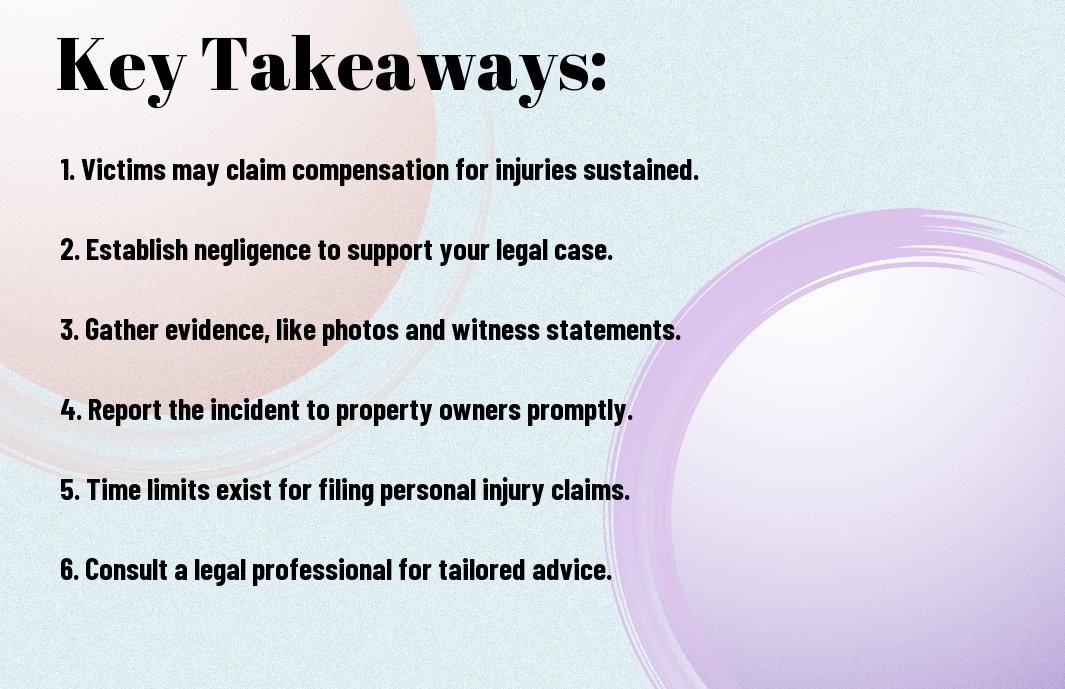
Key Takeaways:

  • Legal Obligation: Property owners have a legal duty to maintain safe conditions and can be held liable for slip and fall accidents occurring due to negligence.
  • Evidence Collection: Gathering evidence, such as photos of the accident site and witness statements, is vital in establishing your claim.
  • Time Limits: There are time limits for filing a claim, known as the limitation period, which typically is three years from the date of the accident.

Understanding Slip and Fall Accidents

Your awareness of slip and fall accidents is important for ensuring your safety and understanding your rights. These incidents can occur in various settings, including public places, private properties, and workplaces. Often, such accidents happen due to hazards like wet floors, uneven surfaces, or poor lighting, leaving you at risk for injuries that may affect your life and livelihood.

Definition and Common Causes

One common definition of a slip and fall accident is any incident where an individual slips, trips, or falls due to unsafe conditions. Key causes often include wet or icy surfaces, loose carpeting, poorly maintained stairs, and obstacles in walkways, all of which can create dangerous situations that lead to unexpected injuries.

Legal Implications in the UK

By understanding the legal implications of slip and fall accidents in the UK, you can better navigate potential claims and liabilities. Under the Occupiers’ Liability Act 1957, property owners have a duty to ensure their premises are safe for visitors, which means they could be held responsible for your injuries if negligence is proven.

Plus, the legal process can involve gathering evidence, witness statements, and sometimes even expert opinions regarding the safety of the location where the accident occurred. If you sustain injuries, it’s important to document the accident scene, seek medical attention, and consider consulting a legal professional to help you evaluate your options for compensation, ensuring your rights are upheld.
Establishing Liability

One of the key elements in a slip and fall case is establishing liability, which refers to determining who is responsible for the accident. To succeed in your claim, you must show that the property owner or occupier was negligent in maintaining a safe environment. This often involves proving that hazardous conditions existed and that the responsible party failed to address or warn about these dangers in a reasonable time frame. By gathering evidence and documenting the incident, you can strengthen your case for compensation.

Property Owner Responsibilities

Beside being aware of potential hazards, property owners have a duty to regularly inspect their premises and address any dangerous conditions. This includes maintaining walkways, ensuring proper lighting, and removing any obstructions or spills. If you can demonstrate that a property owner neglected these responsibilities, it may significantly bolster your claim. Understanding these obligations is key to determining if they were met in your situation.

The Role of Negligence

Liability in slip and fall cases often hinges on the concept of negligence, which refers to the failure to take reasonable care in preventing harm to others. To establish negligence, you need to show that the property owner knew, or should have known, about the hazardous condition and did not act accordingly. This involves proving that their inaction directly led to your injury, which is crucial for securing the compensation you deserve.

Even minor oversights can lead to significant injuries in slip and fall accidents. For instance, if a property owner ignored a wet floor sign or allowed broken tiles to remain unfixed, their negligence can be clearly highlighted. This lack of action often breaches the duty of care owed to visitors, making it possible for you to hold them accountable for your injuries. By collecting evidence, such as witness statements and photographs of the site, you establish a solid foundation for your claim by illustrating how negligence played a role in your accident.

Gather Evidence at the Scene

Unlike many other incidents, slip and fall accidents require immediate action to gather evidence at the scene. As the injured party, you should document everything thoroughly. This includes taking photographs of the area, identifying potential hazards, and noting any relevant details. For more information, refer to the Slip, Trip And Fall Compensation Claims Guide.

Documenting the Accident

Evidence collected at the scene serves to support your case. Make sure to take clear photographs of the accident site, showing the conditions that caused you to fall. Note the time, date, and place of the accident while also writing down any details that may have contributed to the incident.

Witness Statements

On your way to establishing a strong case, gathering witness statements can be invaluable. Speak with anyone who saw the accident happen; their accounts can provide crucial context about the event leading to your injury.

Witness testimonies can significantly strengthen your claim by corroborating your version of events. Be sure to collect their names and contact information, and ask them to describe what they observed. Their support can reinforce your narrative and may hasten the process of obtaining the compensation you deserve.

Reporting the Incident

Despite the shock of a slip and fall accident, it is vital to report the incident as soon as possible. Documenting the event helps establish the details of the accident, which is vital for any potential claims. For detailed guidance on the legal aspects of slip and fall claims, refer to the Guide to Slip and Fall Claims under UK Law – Qredible.

Notifying Property Owners

Owners of the property are typically responsible for ensuring safety standards are met. You should promptly inform them about your accident, providing details such as the time, location, and circumstances. This notification may help prevent similar incidents in the future and establish a basis for your claims.

Filing an Official Report

Reporting the incident to the relevant authorities ensures that there is an official record. This can be important for substantiating your claims later on. Proper documentation may include details from witnesses, photos of the accident scene, and any evidence that showcases negligence on the property owner’s part.

Due to the potential legal ramifications, it is advisable to file an official report with local authorities immediately following your incident. This can involve writing a formal statement or filling out a specific report form as required by the authority. Having an official record can support your case if you decide to pursue a compensation claim, solidifying your account of what occurred during the accident.

Seeking Legal Advice

Not seeking legal advice after a slip and fall accident can hinder your ability to pursue compensation. It’s necessary to understand your rights and the legal processes involved in making a claim. Legal advice can provide clarity on your options, helping you navigate the complexities of personal injury laws in the UK. Consulting a solicitor ensures you are well-informed and prepared to address the challenges that may arise during your case.

When to Consult a Solicitor

For those involved in a slip and fall accident, consulting a solicitor is important if you experience injuries or significant property damage. Early legal guidance can help you gather evidence, understand liability, and determine the potential for a successful claim. Additionally, if the accident occurred on someone else’s property or involved a public area, professional legal support is advisable to uphold your rights effectively.

Choosing the Right Legal Representation

Choosing the right legal representation is key to the success of your claim. You should seek solicitors with experience in personal injury law and a track record of handling slip and fall cases. It’s also wise to look for lawyers who offer a no-win, no-fee agreement, ensuring you don’t face unnecessary financial risk. Conducting thorough research and reading client testimonials can help you make an informed decision about who to trust with your case.

Advice from peers and online reviews can significantly shape your choice when selecting legal representation. You want a solicitor who not only understands the nuances of slip and fall cases but also values clear communication and a personal approach. A good relationship with your lawyer can enhance collaboration as you navigate the legal process, making it necessary to choose someone you feel comfortable with and who listens to your concerns and needs.

The Claims Process

Now that you are aware of your legal rights, it’s necessary to understand the claims process for a slip and fall accident in the UK. This process can seem daunting, but with the right guidance, you can navigate it successfully. You will need to collect evidence, assess your injuries, and seek legal advice to ensure that you are adequately compensated for your suffering and losses.

Steps to File a Claim

For a successful claim, you should begin by gathering comprehensive evidence surrounding your accident. This includes photographs of the accident scene, witness statements, and medical records. Next, consult with a personal injury solicitor to help you evaluate your options and determine whether you have a valid case. Once you’re ready, your solicitor will assist you in submitting a formal claim to the responsible party or their insurance company.

What to Expect During the Process

Against your expectations, the claims process can be lengthy and requires patience. After your claim is filed, the responsible party will typically respond with their account of the incident, which may lead to negotiations regarding compensation. This back-and-forth can require additional evidence and sometimes even expert testimonies to establish liability.

Plus, the process often involves potential mediation or court proceedings if an agreement cannot be reached. Be prepared for multiple communications throughout this phase, as your solicitor will gather necessary documentation and conduct negotiations on your behalf. It’s necessary to stay actively engaged and informed during this period, as your input may be required at various stages, ultimately affecting the outcome of your claim.

Conclusion

Taking this into account, understanding your legal rights in the event of a slip and fall accident in the UK is imperative for protecting yourself. If you find yourself injured due to someone else’s negligence, you have the right to seek compensation for your injuries and losses. Familiarize yourself with the claims process and gather necessary evidence to support your case, as this will empower you to make informed decisions during your recovery. By knowing your rights, you can take the appropriate steps to ensure justice is served.

Q: What constitutes a slip and fall accident in the UK?

A: A slip and fall accident involves an individual losing their balance and falling due to hazardous conditions on a property. This can include wet floors, uneven ground, poor lighting, or obstacles in walkways. In the UK, if the accident occurs on someone else’s property due to negligence in maintaining safe conditions, the property owner may be held liable for any injuries sustained.

Q: What are my legal rights if I experience a slip and fall accident?

A: If you suffer a slip and fall accident, you have the right to seek compensation for your injuries. This includes the right to claim damages for medical expenses, lost earnings, pain and suffering, and any other expenses directly related to the accident. It’s important to gather evidence, such as photographs of the scene and witness statements, to support your claim.

Q: How long do I have to make a claim after a slip and fall accident?

A: In the UK, you typically have three years from the date of the accident to file a personal injury claim. However, if the injuries are not immediately noticeable, the three-year period may begin when the injuries become apparent. It’s advisable to seek legal advice as soon as possible to ensure you do not miss any deadlines related to your claim.

Q: What should I do immediately after a slip and fall accident?

A: Immediately after a slip and fall accident, prioritize your safety and health. Seek medical attention for any injuries, even if they seem minor. Report the incident to the property owner or manager and document the scene by taking photographs and gathering witness contact information. Additionally, keep records of any medical treatments and expenses incurred, which will be important for your claim.

Q: Can I claim compensation if I was partially at fault for the slip and fall accident?

A: Yes, you can still pursue a claim even if you bear some responsibility for the slip and fall accident. In the UK, the principle of “contributory negligence” applies, which means your compensation may be reduced in proportion to your level of fault. For example, if you are found to be 30% responsible for the accident, your compensation could be reduced by that amount. It’s important to consult with a legal professional to evaluate your case.

Legal Rights for Victims of Dog Attacks in the UK

Many individuals may find themselves facing the unfortunate consequences of a dog attack, which can lead to physical injuries and emotional distress. Understanding your legal rights is imperative to ensure you receive the support and compensation you deserve. In this blog post, you will explore the key aspects of dog attack claims in the UK, including how to navigate the legal process. For more detailed insights, consider visiting Dog Bite Claims | Claim Compensation For Dog Attack.

Key Takeaways:

  • Liability of Dog Owners: In the UK, dog owners are legally responsible for their pets. This means that if a dog attacks someone, the owner may be held liable for damages caused by the attack.
  • Reporting and Compensation: Victims of dog attacks are encouraged to report incidents to the police and can seek compensation for injuries, medical expenses, and emotional distress through civil claims.
  • Dangerous Dogs Act: The Dangerous Dogs Act 1991 provides specific provisions regarding aggressive breeds and outlines penalties for owners of dogs that pose a threat to public safety.

Understanding Dog Attack Laws in the UK

As a victim of a dog attack in the UK, it is important to understand the legal framework that governs such incidents. Dog attack laws exist to protect individuals from harm and outline the responsibilities of dog owners. The laws cover various aspects, including liability, insurance, and penalties for negligence, ensuring that victims have avenues for redress.

Overview of Relevant Legislation

Overview of the relevant legislation includes the Dangerous Dogs Act 1991 and the Animal Act 1971, which stipulate specific regulations regarding dog ownership and public safety. These laws establish that dog owners can face legal consequences if their pets cause injury or harm to others, emphasizing the importance of responsible pet ownership.

Responsibilities of Dog Owners

Above all, dog owners have a legal responsibility to ensure their dogs are well-behaved and do not pose a threat to others. This includes proper training, socialization, and supervision of their pets, as well as providing secure environments to prevent escapes.

Even a moment of negligence can lead to serious repercussions for dog owners. You must ensure your pet is properly restrained in public spaces and follow local regulations regarding dangerous breeds. Insurance coverage can also protect you against potential liability claims arising from dog-related incidents, emphasizing the importance of being proactive in managing your dog’s behavior.

Types of Injuries and Their Legal Implications

The types of injuries sustained during a dog attack can significantly impact your legal recourse. Understanding these injuries and their implications is important. Here are some common injuries and their implications:

Injury Type Legal Implication
Dog Bites Entitlement to medical costs and compensation.
Fractures Potential for higher compensation due to long recovery time.
Soft Tissue Injuries May require ongoing treatment and compensation for pain management.
Emotional Distress Compensation for psychological recovery may be sought.
Scarring Long-term disfigurement increases potential compensation.

Knowing the types of injuries and their unique legal implications can help you assess your situation and seek appropriate compensation.

Physical Injuries

An array of physical injuries may occur from dog attacks, including bites, fractures, and soft tissue damage. These injuries can affect your mobility and quality of life, necessitating medical intervention and long-term care. It is important to document all injuries and seek medical advice to support your legal claim.

Psychological Impact

Behind the physical wounds, psychological impacts are often profound yet overlooked. Many dog attack victims experience anxiety, depression, or post-traumatic stress disorder (PTSD) due to the trauma of the incident. These psychological effects can be just as debilitating as physical injuries and must be addressed in any claim.

Physical injuries from dog attacks can heal, but psychological scars may linger for a lifetime. You might find yourself facing anxiety or fear of dogs, affecting daily activities and relationships. Addressing the psychological impact is vital, as it can influence your emotional well-being and require professional help to navigate effectively. Seeking legal advice can help ensure these impacts are adequately represented in your claim.

Reporting Dog Attacks

Many people underestimate the importance of reporting dog attacks promptly. Whether you are a victim or a witness, informing the authorities can help address the situation effectively. Not only does this help ensure that the responsible pet owner is held accountable, but it also provides vital information for future incidents. Contacting local animal control or the police can lead to important actions being taken to prevent further attacks, protecting others in your community.

How to Report an Incident

The process of reporting a dog attack typically involves providing detailed information about the incident to your local authorities. This may include the time, location, description of the dog and owner, and any injuries sustained. It’s advisable to approach local animal control or your nearest police station directly. In some cases, you may also want to consult a legal expert for advice on taking further action.

Importance of Evidence Collection

With any dog attack, gathering evidence can significantly strengthen your case. Collecting photographs of injuries, the scene of the incident, and witness testimonies provides important documentation that can be beneficial for any subsequent legal actions or compensation claims.

A well-documented case can influence the outcome of any investigations or legal proceedings. Photographic evidence of injuries, along with detailed notes from the incident, will help build a strong narrative about what occurred. Additionally, obtaining witness statements can further support your claims and provide a clearer understanding of the event. Having solid evidence not only enhances your ability to seek justice but also aids local authorities in preventing future incidents.

Legal Recourse for Victims

Despite the traumatic experience of a dog attack, you have various legal avenues to explore in seeking justice and compensation. Understanding your rights can empower you to take appropriate action against the responsible party, whether through civil or criminal channels. You can hold dog owners accountable for their pet’s behavior and may be entitled to financial relief for injuries sustained during the incident.

Personal Injury Claims

With a personal injury claim, you can pursue compensation for medical expenses, lost wages, and emotional distress resulting from the dog attack. To successfully file a claim, you must provide evidence, such as medical records and witness statements, to substantiate your case. Seeking legal advice is advisable to navigate the complexities of personal injury law effectively.

Criminal Prosecution of Dog Owners

Below the civil route, criminal prosecution of dog owners can be pursued if their negligence or recklessness caused the attack. You can report the incident to local authorities, who may investigate the owner’s actions. If sufficient evidence shows that the owner failed to control their dog, they could face criminal charges, including fines or even imprisonment.

A successful criminal prosecution may not only serve to punish the dog owner but may also raise awareness about dangerous pets, potentially preventing future attacks. Engaging with law enforcement and providing them with detailed information about the incident will support their investigation. You should document everything related to the attack, including any medical treatment you received and the circumstances surrounding the incident, to assist in holding the owner accountable.

Compensation for Victims

For victims of dog attacks, seeking compensation can aid in covering medical expenses, lost wages, and other related costs. You may be entitled to claim damages for both physical injuries and emotional distress caused by the incident, ensuring that you receive a fair settlement for your suffering.

Types of Financial Damages

For your compensation claim, various types of financial damages can be considered:

Medical Expenses Costs for treatment, rehabilitation, and medication.
Lost Wages Income you missed during recovery.
Pain and Suffering Compensation for physical and emotional pain.
Property Damage Repair or replacement costs for personal items.
Future Losses Potential long-term impacts on career or health.
  • Medical Expenses
  • Lost Wages
  • Pain and Suffering
  • Property Damage
  • Future Losses

Recognizing the full extent of your losses is vital for maximizing your compensation claim.

Duration and Process of Claim

With the right approach, the process of claiming compensation can be straightforward, but it may take several months to resolve. You will typically begin by gathering evidence, including medical records and witness statements, before submitting your claim to the responsible party or their insurer.

And, during this period, you might engage in negotiations over the settlement amount. Keep in mind that if an agreement cannot be reached, you have the option to pursue legal action, which can extend the timeline significantly. It’s advisable to consult with a solicitor experienced in dog bite claims to guide you through the complexities and to ensure that your rights are protected throughout the process.

Preventative Measures and Public Awareness

After understanding the legal implications, it’s crucial to consider preventative measures that can mitigate the risk of dog attacks. Raising public awareness through education about dog behaviour and responsible ownership can significantly reduce incidents. You can find more information on this topic through Dog Bite Law: No Win No Fee Compensation Claim Solicitors, which also emphasizes community responsibility in keeping everyone safe.

Importance of Responsible Dog Ownership

Below, responsible dog ownership plays a key role in preventing dog attacks. You should ensure your pet is well-trained, socialized, and supervised around others. Understanding your dog’s temperament and needs fosters a safe environment, promoting positive interactions in public spaces.

Community Initiatives

Ownership of community initiatives encourages a collective approach to dog safety. Local programs and workshops can educate residents on responsible pet ownership, providing valuable resources on training and behaviour management.

Further, community involvement through initiatives such as free training sessions, informational seminars, and local dog shows can foster a friendlier atmosphere for both pets and people. By engaging with your neighbours and participating in local events, you contribute to a culture of awareness that benefits everyone and strengthens community ties.

To wrap up

Considering all points, it is vital for you to understand your legal rights as a victim of a dog attack in the UK. You have the right to seek compensation for your injuries and any damages incurred, and the law provides specific avenues for holding the dog owner accountable. Taking timely action, documenting the incident, and consulting with legal professionals can significantly enhance your chances of a favorable outcome. Being informed about your rights empowers you to take the necessary steps in protecting your interests and ensuring that justice is served.

FAQ

Q: What legal rights do victims of dog attacks have in the UK?

A: Victims of dog attacks in the UK have several legal rights. They can claim compensation for injuries suffered due to the attack under the Animal Act 1971. Victims may also seek to file a personal injury claim against the dog owner if negligence can be established. Furthermore, local councils can impose restrictions on dangerous dogs, and victims can report the incident to the police if it poses a threat to public safety.

Q: How can I prove that the dog owner is liable for the attack?

A: To establish liability, evidence is vital. Victims should collect details of the incident, including photographs of injuries, witness statements, and veterinary reports if applicable. Additionally, proving the owner was aware of the dog’s aggressive behavior or failed to control the dog can strengthen the case. Consulting with a legal expert specializing in animal liability can also help clarify the situation.

Q: Are there any time limits for making a claim after a dog attack?

A: Yes, there are time limits known as limitation periods. In the UK, a personal injury claim must typically be filed within three years of the incident. However, if the victim is a minor, this period may extend until they reach adulthood. It is advisable to act promptly and gather evidence as soon as possible to strengthen the claim.

Q: What kind of compensation can I expect if I win a claim for a dog attack?

A: Compensation for dog attack victims can vary widely based on the severity of the injuries and the impact on the victim’s life. This may include compensation for medical expenses, lost income if unable to work, pain and suffering, and other related damages. An experienced solicitor can provide an estimate based on the specifics of the case and precedents from similar claims.

Q: What should I do immediately after a dog attack?

A: Following a dog attack, victims should seek medical attention for any injuries sustained, regardless of how minor they appear. Documenting the incident by taking notes and photographs, and collecting contact information from witnesses, is also important. Reporting the incident to the local authorities and the police can facilitate potential legal actions against the dog owner, especially if there are ongoing risks associated with the dog.

How to Handle Workplace Discrimination – Legal Advice

Just as you deserve a fair and respectful work environment, it’s important to know how to address any instances of workplace discrimination you may encounter. This guide provides you with imperative legal advice to help you navigate the challenges of discrimination in your workplace. By understanding your rights and the steps you can take, you can assert your position effectively and seek resolution. Let’s explore the necessary actions you can take to ensure your rights are protected and your voice is heard.

Key Takeaways:

  • Document every incident of discrimination: Keep detailed records, including dates, times, and descriptions of incidents.
  • Understand your rights: Familiarize yourself with local and federal anti-discrimination laws to know how they apply to your situation.
  • Seek legal counsel: Consulting with an attorney who specializes in employment law can provide guidance tailored to your case.

Understanding Workplace Discrimination

Before you can effectively address workplace discrimination, it’s imperative to understand what it entails. Discrimination occurs when an individual is treated unfairly due to characteristics such as race, gender, age, or disability. If you find yourself facing such issues, seeking help is vital. Consider visiting What can I do? I’m in need of employment law legal advice… to explore your options.

Definition and Types of Discrimination

Among the various forms of discrimination in the workplace, it’s important to comprehend how they can manifest:

Type of Discrimination Description
Race Disparity in treatment based on race or ethnicity.
Gender Inequity due to one’s gender identity or expression.
Age Discrimination against older or younger employees.
Disability Treating an individual unfavorably due to their disability.
Religion Discriminatory practices based on religious beliefs.

Recognizing the various types of workplace discrimination can empower you to take action.

Recognizing Discriminatory Practices

Among the signs of discriminatory practices are consistent patterns of unfavorable treatment, such as receiving fewer opportunities or harsher evaluations compared to colleagues. If you notice that decisions in your workplace seem biased, it may indicate that discrimination is occurring.

In addition to these signs, consider whether specific comments or jokes targeting particular groups are being made, which can create a hostile environment. Understanding the context of your experiences can aid in identifying whether what you face is indeed discrimination. Awareness of these indicators helps you discern the nature of your concerns and supports you in taking informed steps to address them.

Legal Framework Governing Discrimination

Assuming you are facing workplace discrimination, it is important to understand the legal framework that protects employees. This framework is comprised of both federal and state laws that govern discrimination claims, ensuring you have avenues available to address any unjust treatment based on race, gender, age, or other protected characteristics.

Federal Laws

Framework for workplace discrimination in the United States is established primarily through federal laws, such as the Civil Rights Act, the Age Discrimination in Employment Act, and the Americans with Disabilities Act. These laws set clear definitions for discrimination and provide guidelines on how to address violations, offering you the protection needed to assert your rights.

State Laws and Protections

With the legal landscape shifting, many states have enacted their own laws that provide additional protections against workplace discrimination. These state laws can enhance the protections provided by federal laws, often covering a wider range of characteristics, including sexual orientation and gender identity, which may not be explicitly included at the federal level.

To navigate these protections effectively, it is beneficial for you to familiarize yourself with your state’s specific anti-discrimination laws and regulations. States may have agencies dedicated to handling discrimination claims, which can often provide faster resolutions. Knowing the nuances of both federal and state laws can empower you in the fight against workplace discrimination.

Steps to Take If You Experience Discrimination

Despite the uncomfortable situation, it is vital that you take proactive steps if you experience discrimination at work. Start by identifying the specific behaviors or comments that you believe constitute discrimination. Gathering your thoughts and emotions is important before moving forward, as this will help you articulate your experience more clearly when discussing it with others.

Documenting Incidents

At the onset of experiencing discrimination, you should start documenting each incident meticulously. Note down the date, time, location, individuals involved, and a detailed account of what occurred. This documentation creates an imperative record that can substantiate your claims later on, which is invaluable when seeking resolution or taking legal action.

Reporting to HR or Relevant Authorities

Below is a general approach to reporting your experience to HR or other necessary authorities. Start by compiling your documented evidence and preparing to present it in a calm and concise manner. Clearly describe your experience and how it has impacted your work environment, and request that appropriate measures be taken to address the discrimination.

But when you report to HR or relevant authorities, ensure you are clear about your expectations for a resolution. You should provide all the documented evidence and be prepared for any follow-up questions. It may also help to research your organization’s discrimination policies and understand the steps HR will take after your report. You have the right to feel safe and respected in your workplace, and addressing the issue head-on can lead to meaningful change.

Seeking Legal Advice

Many employees facing workplace discrimination may feel overwhelmed and unsure of their rights. It is important to seek legal advice to better understand your situation and explore your options. An experienced attorney can help you navigate the complexities of discrimination law, assess the strength of your case, and guide you on the best course of action. Engaging legal representation can be an necessary step in asserting your rights and ensuring fair treatment in the workplace.

When to Consult an Attorney

Attorney consultation is recommended as soon as you experience incidents of discrimination. Delays can sometimes hinder your ability to take legal action or seek remedies. If you have witnessed or experienced unfair treatment, hostile work environments, or retaliation, it’s wise to consider reaching out for professional guidance promptly.

Finding the Right Legal Representation

At the outset, focus on identifying an attorney who specializes in employment law and has a strong track record in discrimination cases. Look for professionals who have successfully handled cases similar to yours and have a deep understanding of local, state, and federal laws regarding workplace discrimination.

Seeking the right legal representation requires thorough research and consideration of various factors. Check online reviews, ask for recommendations from trusted peers, and schedule consultations to gauge the attorney’s expertise and approach to your case. Ensure you feel comfortable discussing your situation and that the attorney demonstrates a commitment to advocating for your rights effectively. You deserve representation that aligns with your needs and values, enhancing the likelihood of a successful outcome.

Possible Outcomes and Remedies

After filing a workplace discrimination complaint, you’ll encounter various potential outcomes that can help address the situation. Remedies may include reinstatement, policy changes, or compensation for damages, depending on the specifics of your case. Understanding these options empowers you to pursue the most suitable resolution for your circumstances.

Mediation and Settlement Options

Possible mediation or settlement options often provide a timely and less confrontational route to resolve workplace discrimination claims. Engaging in mediation can lead to mutually agreeable outcomes, such as financial compensation or changes in workplace policy, fostering a more positive working environment.

Legal Recourse and Compensation

Recourse through legal avenues can enable you to seek damages for the discrimination experienced, which could encompass lost wages, emotional distress, and attorney fees in some cases. It’s imperative to understand that legal compensation varies based on the specifics of your situation and the laws in your jurisdiction.

And pursuing legal recourse often includes filing a complaint with the Equal Employment Opportunity Commission (EEOC) or relevant state agencies. A successful claim may lead to compensatory damages or punitive damages if the employer’s actions were particularly egregious. Seeking legal advice can help clarify what compensation you may be entitled to and outline the steps necessary to secure it.

Preventing Workplace Discrimination

For effective prevention of workplace discrimination, you should implement proactive strategies and be aware of your rights. Understanding the steps to take in the event of discrimination is vital; explore guidance on How to File a Workplace Discrimination Case Effectively to empower yourself in your workplace. Establishing a culture of respect and inclusivity can greatly reduce the incidence of discriminatory behavior.

Company Policies and Training

Company policies must outline a zero-tolerance stance on discrimination, coupled with comprehensive training programs. These initiatives ensure that all employees are aware of the rules and the values the organization upholds, creating a clear standard for behavior. Training should include how to recognize and report potential discrimination, reinforcing accountability throughout the organization.

Creating an Inclusive Work Environment

Below are key actions you can take to create an inclusive work environment: embrace diversity, encourage open communication, and respect all individuals’ contributions. You should foster an atmosphere where everyone feels valued and empowered to share their unique perspectives, which not only benefits team dynamics but also enhances overall productivity.

Training programs focused on diversity and inclusion can inform your staff about the significance of a collaborative workspace. Engage employees in discussions about unconscious biases and how they may impact interactions. Regularly reassessing your practices and policies will help ensure ongoing commitment to inclusivity, making it a fundamental aspect of your workplace culture.

Conclusion

From above, it’s clear that handling workplace discrimination requires a proactive approach. You must be aware of your rights and the resources available to you. Document incidents meticulously and seek legal advice tailored to your specific situation. By understanding the necessary steps and engaging the appropriate channels, you empower yourself to challenge discrimination effectively. Your workplace should be a space of respect and equality, so take action to ensure it remains one.

FAQ

Q: What constitutes workplace discrimination?

A: Workplace discrimination occurs when an employee is treated unfavorably due to characteristics such as race, color, religion, sex, national origin, age, disability, or genetic information. This can manifest in various ways, including hiring practices, promotions, job assignments, and termination.

Q: What steps should I take if I believe I am a victim of workplace discrimination?

A: If you believe you are experiencing workplace discrimination, it is advisable to document the incidents with dates, times, witnesses, and any correspondence related to the situation. Next, review your company’s policy on discrimination and harassment, and consider reporting the behavior to your human resources department. Seeking legal counsel can also help you understand your rights and options moving forward.

Q: Are there legal protections against workplace discrimination?

A: Yes, various federal, state, and local laws provide protections against workplace discrimination. The primary federal laws include Title VII of the Civil Rights Act, the Age Discrimination in Employment Act (ADEA), and the Americans with Disabilities Act (ADA). These laws prohibit discriminatory practices and can offer recourse through legal channels if a violation occurs.

Q: How can I find a lawyer who specializes in workplace discrimination cases?

A: To find a lawyer with expertise in workplace discrimination, consider seeking referrals from trusted sources such as friends, family, or professional organizations. You can also consult local or state bar associations for recommendations. Look for attorneys who have specific experience handling cases similar to yours, and consider scheduling initial consultations to gauge their approach and expertise.

Q: What should I expect during the legal process for a discrimination case?

A: The legal process for a workplace discrimination case typically includes several stages. Initially, your lawyer will conduct a thorough evaluation of your case. This may involve gathering evidence, interviewing witnesses, and submitting a claim to the appropriate agency, such as the Equal Employment Opportunity Commission (EEOC). If mediation does not resolve the issue, your case may move to litigation, where both parties will present evidence in front of a judge or jury. Throughout this process, your attorney will guide you on what to expect and how to prepare.

How to Resolve Workplace Disputes Legally in the UK

You may find yourself facing a workplace dispute that requires careful handling to ensure a fair and legal resolution. Understanding your rights and the appropriate procedures can help you navigate these conflicts effectively. This guide will walk you through the necessary steps to resolve disputes legally, including exploring options like Mediation: the preferred method to resolve workplace disputes and the role it can play in finding an amicable solution.

Key Takeaways:

  • Understand your rights: Familiarize yourself with UK employment law, including the legal frameworks that govern workplace disputes.
  • Utilize internal procedures: Follow your company’s grievance and disciplinary procedures to address issues before escalating them externally.
  • Seek mediation: Consider mediation as a viable option to resolve conflicts amicably without resorting to legal action.

Understanding Workplace Disputes

A workplace dispute occurs when there are disagreements between employees, management, or any other parties within your workplace. These conflicts can arise from misunderstandings, differing expectations, or violations of company policies. It’s vital to address these disputes promptly to foster a healthier work environment and avoid escalation.

Types of Workplace Disputes

There are several common types of workplace disputes that you might encounter:

  • Disagreements over job roles and responsibilities
  • Harassment or discrimination claims
  • Issues related to pay or benefits
  • Disputes over contracts or agreements
  • Interpersonal conflicts between colleagues

Knowing the types of disputes that can arise is the first step in effectively addressing and resolving them.

Impact of Workplace Disputes

Among the many consequences of workplace disputes, the most significant ones include decreased morale, productivity, and employee retention. When conflicts remain unresolved, they can lead to a toxic environment and hinder team collaboration.

Even minor disputes can escalate if not managed properly, resulting in long-term damage to relationships and workplace culture. If disputes linger, they can spark further issues, resulting in attrition and an increase in complaints to management or HR. Investing time in resolution processes will benefit your workplace dynamics in the long run.

Legal Framework for Dispute Resolution in the UK

Even in complex workplace environments, the legal framework for dispute resolution in the UK provides necessary guidelines. By understanding The dos and don’ts of managing workplace disputes, you can navigate these challenges effectively. The framework encompasses various laws and rules that set the groundwork for resolving disputes, ensuring fairness and compliance while mitigating potential risks in the workplace.

Employment Rights Act 1996

To address workplace disputes, the Employment Rights Act 1996 plays a key role by defining employee rights and employer responsibilities. This act covers various aspects such as unfair dismissal, redundancy, and your rights as an employee when facing disputes, helping you understand the legal protections available to you.

ACAS Code of Practice

Around the UK, the ACAS Code of Practice outlines necessary procedures for handling workplace disputes. It serves as a practical guide to resolving conflicts and encourages mediation, fairness, and transparency, ultimately assisting you in achieving a resolution that benefits all parties involved.

Hence, following the ACAS Code of Practice can significantly enhance your approach to workplace disputes. By adhering to the guidelines, you foster a more constructive environment where issues are dealt with promptly and effectively. The code stresses the importance of clear communication and record-keeping, empowering you to navigate disputes with confidence and potentially avoiding costly legal proceedings.

Steps to Resolve Disputes

Now that you are aware of the potential for disputes in the workplace, it is imperative to take proactive steps to resolve them effectively. Start by assessing the situation and determining the best approach to communication. Aim to address the issue promptly and directly, ensuring that all parties involved feel heard and respected. Following these steps can facilitate a more amicable and efficient resolution process.

Informal Resolution Techniques

The initial approach to resolving workplace disputes often involves informal resolution techniques. These may include open discussions, mediation, or even seeking assistance from a colleague or manager. Engaging in a candid conversation can foster understanding and might lead to a swift resolution without escalating the issue further.

Formal Grievance Procedures

Resolution through formal grievance procedures is imperative when informal techniques fail. These procedures provide a structured framework for addressing disputes within the workplace. Typically, you should begin by submitting a complaint in writing, outlining the details of the issue. Your employer is then obligated to investigate the grievance thoroughly and provide a formal response, ensuring that all parties’ rights are upheld throughout the process.

This structured approach not only clarifies the steps needed to resolve the dispute but also protects your rights and interests. By documenting your complaint, you create a record that can be referenced during the investigation. If necessary, the process may lead to further action, including mediation or even representation by trade unions or legal advisors if the situation escalates. Understanding and following the formal grievance procedures can significantly impact the resolution of your workplace dispute.

Mediation as a Dispute Resolution Option

All parties involved in workplace disputes can benefit from mediation, a structured process that encourages open communication and collaboration. By engaging an impartial third party, you can facilitate discussions that aim to resolve issues amicably, fostering a healthier workplace environment. Mediation allows you to express your concerns, understand different perspectives, and work towards a mutually acceptable solution, all while maintaining confidentiality.

Benefits of Mediation

Mediation offers numerous advantages, including faster resolution times, reduced legal costs, and the opportunity for you to have a say in the outcome. The informal nature of mediation helps to alleviate tensions, promoting a cooperative atmosphere where all parties feel heard and respected. Moreover, crafting your solutions fosters stronger relationships and ensures that agreements are more likely to be followed through by all involved.

How to Arrange Mediation

Benefits of mediation can be maximized by properly arranging the process. You can start by identifying a qualified mediator, ideally someone with experience related to workplace disputes. It’s important to discuss the issue with your colleagues or HR department to gain their support. Once you have selected a mediator, reach out to gather available dates and set a meeting that is convenient for all parties. Ensure everyone understands the process and agrees to participate openly, paving the way for a successful resolution.

Mediation is typically arranged by contacting a mediation service and discussing your needs. You may consult your HR department or seek recommendations for reputable mediators. After selecting one, you can collaboratively set a date, location, and agenda for the session, ensuring that all parties feel comfortable and prepared. Clear communication prior to the meeting can further enhance a productive atmosphere, allowing everyone to focus on resolving the dispute efficiently.

Legal Action and Tribunals

Not all workplace disputes can be resolved through informal discussions or mediation, and sometimes you may need to consider more formal legal actions. You can seek guidance on how to resolve a dispute by visiting the official site to Solve a workplace dispute: Overview. If you’ve exhausted other options, pursuing legal action might be your next step.

When to Consider Litigation

Above all, you should only consider litigation if you’ve tried alternative dispute resolution methods and the situation remains unresolved. Legal action can be time-consuming and expensive, so evaluate if your case has sufficient merit to proceed. If your rights are being infringed, and negotiation fails, it may be warranted.

Overview of Employment Tribunals

Around 250,000 claims are made to Employment Tribunals each year in the UK, covering issues such as unfair dismissal and discrimination. These independent bodies adjudicate disputes between employees and employers, providing a formal avenue for resolution if informal methods do not succeed.

This structured process allows you to present your case and seek remedies if your rights under employment law have been violated. You can also represent yourself, but many choose to seek legal advice or representation to ensure their case is presented effectively. Employment Tribunals aim to be accessible, and decisions are made based on the evidence presented, so it’s important to prepare thoroughly. Understanding the tribunal process can empower you to navigate your dispute more effectively.

Seeking Professional Help

For complex workplace disputes, seeking professional help can be an effective way to navigate the legal landscape. Engaging with experts ensures you understand your rights and options, making the resolution process smoother. Whether you choose to consult a solicitor or reach out to support organizations, professional guidance can help you address your concerns more efficiently and appropriately.

Role of Employment Solicitors

Seeking the advice of employment solicitors can provide you with valuable insights into your situation. These professionals specialize in employment law and can help you understand the legal ramifications of your dispute. They can also assist with drafting important documents, negotiating settlements, and representing you in court if necessary.

Support Organizations and Resources

By utilizing support organizations and resources, you can gain additional perspectives on your workplace issues. Many organizations offer free advice, mediation services, and workshops that can help you develop effective communication skills and conflict resolution strategies.

Even if you decide not to pursue legal action, support organizations can offer valuable resources to empower you in managing workplace disputes. Many provide access to counselling services, tools for effective negotiation, and information about your rights under UK employment law. Engaging with these organizations can bolster your confidence when addressing workplace conflicts and help you foster a more harmonious work environment.

Conclusion

Upon reflecting, resolving workplace disputes legally in the UK requires a clear understanding of your rights and the proper procedures to follow. You should first attempt informal discussions to settle the issue amicably and consider mediation if direct communication fails. If the dispute persists, it is vital to document all interactions and seek formal steps through your company’s grievance procedures or external bodies like ACAS. By being informed and proactive, you can navigate disputes effectively, ensuring a smoother resolution while safeguarding your professional rights.

FAQ

Q: What are the initial steps to take when resolving workplace disputes legally in the UK?

A: The first step is to assess the situation and gather all relevant details about the dispute, including dates, times, and any witnesses. Next, refer to your company’s grievance procedure to understand the formal process for raising a complaint. It’s often recommended to attempt an informal resolution first by discussing the issue directly with the parties involved. If informal discussions do not resolve the matter, you may proceed with a formal complaint as per your employer’s policy.

Q: What are the legal rights of employees regarding workplace disputes?

A: Employees in the UK have the right to fair treatment in the workplace, which includes protection against discrimination, harassment, and unfair dismissal. They are entitled to raise grievances without fear of retaliation. If disputes remain unresolved, employees may also have the right to take their case to an employment tribunal, depending on the nature of the dispute and the specific circumstances.

Q: How can mediation be utilized in resolving workplace disputes?

A: Mediation involves a neutral third party who helps facilitate a discussion between the conflicting parties to reach a mutual agreement. In the UK, mediation is often encouraged as it can be a more efficient and less adversarial method compared to formal legal proceedings. Many employers offer mediation services or access to external mediators to help resolve disputes amicably while preserving working relationships.

Q: What role does the ACAS Code of Practice play in workplace disputes?

A: The Advisory, Conciliation and Arbitration Service (ACAS) Code of Practice provides a framework for handling workplace disputes and grievances. Following this code can help employers establish fair processes and encourages a quicker resolution. If the dispute escalates to an employment tribunal, the tribunal will consider whether the ACAS Code was followed when deciding the case. Adhering to the guidelines may also affect any potential awards if claims are upheld.

Q: What should I do if the dispute escalates to an employment tribunal?

A: If a dispute escalates to an employment tribunal, it is important to gather all necessary documentation and evidence related to the dispute, including emails, records of meetings, and any formal complaints made. It is advisable to seek legal advice to understand your rights and prepare your case effectively. Additionally, consider using the tribunal’s mediation services, as they may offer an opportunity to resolve the matter without a full tribunal hearing.

Legal Support for Bullying and Harassment at Work in the UK

Bullying and harassment at work can create a toxic environment that significantly impacts your mental and emotional well-being. Understanding your rights and the legal support available is important for navigating these challenging situations. If you find yourself facing such issues, it’s important to seek guidance and know where to turn. Resources like the NHS provide valuable advice on Bullying at work. This blog post will explore the legal avenues you can pursue to help address workplace bullying and harassment effectively.

Key Takeaways:

  • Legal Framework: The UK has comprehensive laws, including the Equality Act 2010, that protect employees from discrimination and harassment in the workplace.
  • Reporting Procedures: Employees are encouraged to follow established complaint processes within their organizations, which should include clear steps for reporting bullying and harassment incidents.
  • Support Resources: Victims of workplace bullying and harassment can access various support services, including legal advice, mediation, and the opportunity to seek compensation for damages if necessary.

Understanding Bullying and Harassment in the Workplace

The issue of bullying and harassment in the workplace is a significant concern in the UK, affecting employees’ well-being and productivity. According to the UK Government, Workplace bullying and harassment involve unwanted and aggressive behaviour that creates a hostile environment. It’s crucial to understand these concepts to ensure a safe and inclusive workplace for everyone.

Definitions and Key Concepts

For clarity, bullying is typically defined as repeated and persistent aggressive behaviour, while harassment often refers to unwanted conduct based on protected characteristics like race, gender, or sexual orientation. Both can severely impact your mental health and job performance.

Types of Bullying and Harassment

Bullying can take various forms, including verbal, physical, and psychological abuse. Here’s a breakdown of common types:

Type Description
Verbal Abuse Insulting or threatening language.
Physical Intimidation Any form of physical aggressiveness or assault.
Social Isolation Deliberately excluding someone from work-related activities.
Cyberbullying Using technology to harass or intimidate.
Harassment Unwanted behaviour linked to personal characteristics.

Any combination of these forms can create a toxic work environment, and it’s crucial to be aware of them to protect yourself and your colleagues.

In fact, different kinds of bullying and harassment can have significant consequences for you and your workplace. Being informed will equip you to address these issues more effectively:

Type Description
Sexual Harassment Unwanted sexual advances or comments.
Racial Harassment Unjustified conduct based on race or ethnicity.
Age Discrimination Treatment or remarks based on age.
Disability Harassment Negative treatment due to a person’s disability.
Workplace Bullying Persistent negative treatment by others.

Any form of harassment or bullying left unaddressed can have long-lasting effects on both individuals and the organization as a whole. It’s crucial to foster a respectful and supportive workplace for all.

Legal Framework Governing Workplace Bullying and Harassment

One of the key components in addressing workplace bullying and harassment in the UK is the legal framework that underpins these issues. Understanding the laws that protect you is imperative for navigating situations of harassment and ensuring that your rights are upheld in the workplace. This framework not only provides guidelines for behavior but also outlines avenues for recourse if your rights are violated.

Relevant UK Laws

Workplace bullying and harassment are primarily governed by various UK laws, including the Equality Act 2010 and the Health and Safety at Work Act 1974. These laws provide a foundation for protecting your rights and outline employer responsibilities to create a safe working environment. They also offer legal channels through which you can seek redress if you are subjected to bullying or harassment.

Employment Rights Act Overview

Bullying and harassment can also be addressed under the Employment Rights Act 1996, which protects various employee rights, including protection from unfair dismissal. If you are facing bullying that leads to a detrimental change in your terms of employment or significant distress, this legislation may be applicable in pursuing your case.

Considering the implications of the Employment Rights Act is important for any employee experiencing bullying or harassment. The Act not only protects you from unfair treatment but also allows for the possibility of compensation if your employer fails to address your concerns adequately. By understanding this act and how it relates to your specific situation, you can better equip yourself to take appropriate action and seek the support necessary to resolve the issues you are facing.

Identifying Bullying and Harassment

To effectively address bullying and harassment at work, it is imperative to identify behaviors that contribute to a toxic environment. Bullying can manifest through persistent negative actions, such as verbal abuse, exclusion, and undue criticism, while harassment encompasses unwanted behavior that violates the dignity of an individual. Recognizing these patterns early can empower you to take appropriate action to protect yourself and your colleagues.

Signs and Symptoms

Above all, being aware of the signs and symptoms of bullying and harassment is key. Common indicators include increased absenteeism, anxiety, decreased productivity, and withdrawal from social interactions. You may notice physical manifestations like headaches or digestive issues, stemming from the stress of the situation, as well as a decline in your overall mental health.

Case Studies and Examples

By examining real-life scenarios, you can gain a clearer perspective on the impact of workplace bullying and harassment:

  • Case Study 1: A survey finding that 40% of employees reported being bullied at work in the last year.
  • Case Study 2: An organisation facing a £200,000 compensation claim due to failure to address harassment claims.
  • Case Study 3: A documented case where 30% of employees felt their mental health suffered due to workplace bullying.
  • Case Study 4: Reporting that 50% of victims did not report bullying due to fear of retaliation.

Also, understanding these case studies assists you in recognizing the broader implications of workplace harassment. Statistics reveal alarming trends, such as the fact that around 34% of employees in the UK encounter some form of bullying at work. Moreover, having concrete examples can motivate you to take action, provide support to others, or seek legal advice when necessary, empowering you to create a more positive workplace culture.

Reporting Mechanisms

Despite the legal frameworks in place, knowing how to effectively report bullying and harassment at work can be challenging. Employees often feel uncertain about the appropriate channels to use or fear repercussions. It’s vital to understand the various reporting mechanisms available to you, ensuring that you can take the necessary steps to address your concerns with confidence.

Internal Company Procedures

Alongside external support, many companies offer internal procedures designed to handle bullying and harassment claims. You should familiarize yourself with your organization’s policy, typically outlined in employee handbooks or on the company intranet. Reporting your concerns through these internal channels can lead to swift resolutions, allowing you to work in a safer environment.

External Agencies and Support

Agencies such as Acas and the Equality and Human Rights Commission provide additional support if internal procedures fall short. You can contact these organizations for advice on your rights and guidance on navigating formal complaints if necessary. They can also assist you in understanding the legislative frameworks that protect you in cases of workplace bullying and harassment.

Internal company procedures may not always resolve issues effectively, leaving you feeling isolated. If you encounter indifference or retaliation, external agencies can step in to provide impartial support. Maintaining clear documentation of your experiences can help these organizations guide you effectively, ensuring your voice is heard outside of your workplace and your rights are respected.

Employer Responsibilities and Obligations

Many employers in the UK have a legal obligation to provide a safe and supportive work environment, where bullying and harassment are actively prevented. This responsibility includes developing comprehensive policies, fostering respectful workplace cultures, and ensuring that employees are aware of their rights and the procedures for reporting any incidents. By prioritizing these obligations, employers can cultivate a positive atmosphere that promotes productivity and employee well-being.

Duty of Care and Prevention

After assessing the unique risks in your workplace, you must implement preventive measures addressing potential bullying and harassment. This includes training staff on appropriate behavior, encouraging open communication, and establishing clear reporting mechanisms. Your proactive approach ensures that your workplace minimizes the likelihood of incidents while demonstrating your commitment to employee welfare.

Consequences of Non-Compliance

Across various industries, failing to address bullying and harassment can expose you to legal action and financial penalties. If your organization is found to have neglected its duty of care, you may face claims for damages, resulting in significant costs and reputational damage. Additionally, the lack of compliance can lead to low staff morale, increased turnover, and difficulties in attracting new talent.

Responsibilities extend beyond mere compliance with laws; they reflect your organization’s dedication to creating a safe environment for all employees. By ignoring this duty, you risk serious repercussions such as costly legal battles, damaged relationships within your team, and an overall negative workplace atmosphere. Emphasizing a strong commitment to preventing workplace bullying and harassment can not only mitigate risk but also empower your workforce and enhance your company culture.

Legal Recourse and Protections for Employees

Now, it’s vital to understand that UK laws provide legal recourse and protections against bullying and harassment at work. You can seek help from specialized Harassment & Bullying At Work Solicitors to navigate your options and pursue justice effectively. These professionals can guide you on your rights and the processes involved in addressing workplace misconduct.

Filing a Claim

Along your journey to seeking justice, filing a claim is an imperative step if informal resolutions prove insufficient. You’ll need to gather evidence of your experience, such as emails, witness statements, or recordings, and complete the necessary documentation to submit to an employment tribunal or court, depending on the severity of the situation.

Potential Outcomes and Remedies

Any successful claim can lead to several outcomes, including compensation for emotional distress, loss of earnings, and even reinstatement in your role, depending on the circumstances of your case.

In addition, remedies may also include recommendations for workplace changes to prevent future incidents, such as improved training and policy development. Each case is unique, and the resolution will depend on your specific situation and the evidence you provide. You have the right to a safe working environment, and pursuing legal action can help ensure that your rights are upheld.

Final Words

Now that you are aware of the legal frameworks and support available for addressing bullying and harassment at work in the UK, it is important for you to recognize your rights and the steps you can take. Whether you choose to report the behavior internally or seek external legal recourse, understanding the protections afforded to you can empower you to act decisively. Make sure to document incidents and seek advice if needed, as you deserve a safe and respectful workplace free from intimidation and harassment.

Q: What constitutes bullying and harassment in the workplace in the UK?

A: Bullying and harassment in the workplace are negative behaviors that create an intimidating, hostile, or degrading environment for an individual. Bullying can include repeated actions such as belittling comments, isolation, or undermining someone’s work. Harassment, on the other hand, is defined under the Equality Act 2010 as unwanted behavior related to a protected characteristic (such as age, race, sex, disability, etc.) that violates a person’s dignity or creates a threatening atmosphere.

Q: What legal protections do employees have against bullying and harassment in the UK?

A: Employees in the UK are protected by various laws against bullying and harassment, primarily through the Equality Act 2010. This Act helps safeguard individuals from workplace discrimination based on protected characteristics. Additionally, employees may be protected under the Employment Rights Act 1996 if they raise grievances about bullying and harassment, which could be classified as a detriment or unfair dismissal if they face retaliation for these complaints.

Q: How can someone report bullying or harassment at work in the UK?

A: Employees should first refer to their company’s grievance procedure, which typically provides a pathway for reporting bullying and harassment. The procedure may involve discussing the issue with a direct supervisor, HR representative, or using a formal complaint form. It’s important to document incidents, including dates, times, and any witnesses, to support the claim. If internal processes do not resolve the issue, employees may seek advice from external bodies such as ACAS (Advisory, Conciliation and Arbitration Service) or pursue legal advice.

Q: What should I do if I experience retaliation after reporting bullying or harassment?

A: If an employee faces retaliation after reporting bullying or harassment, it is necessary to document all relevant evidence of retaliation, including dates and specific incidents. This may include changes in behavior from management, demotion, or threats. The affected individual should raise the issue through the company’s grievance procedure. If the internal process fails to provide a satisfactory outcome, seeking legal advice, or reporting the incident to a relevant authority like ACAS or an employment tribunal may be necessary.

Q: Are there any legal consequences for employers who allow bullying and harassment to occur?

A: Employers who fail to address bullying and harassment claims may face legal consequences, such as employment tribunal claims. If a tribunal finds that an employer did not take sufficient steps to prevent or address these behaviors, they may be held liable for damages. Additionally, failure to comply with the Equality Act 2010 may result in significant penalties, and employers can face reputational damage that can affect their operational effectiveness and employee morale.

Skip to content